Cruise Port Stories
AU / Ship Space Research

Cruise Port Stories / Research Desk

Research the spaces that shape life on board

Cruise Port Stories is an English-language research desk for Australian travellers comparing cabins, dining, entertainment, facilities and cruise destinations before they plan. We help you turn ship-space and itinerary questions into an informed shortlist, while recognising that arrangements can vary by ship and sailing.

Explore ship guides
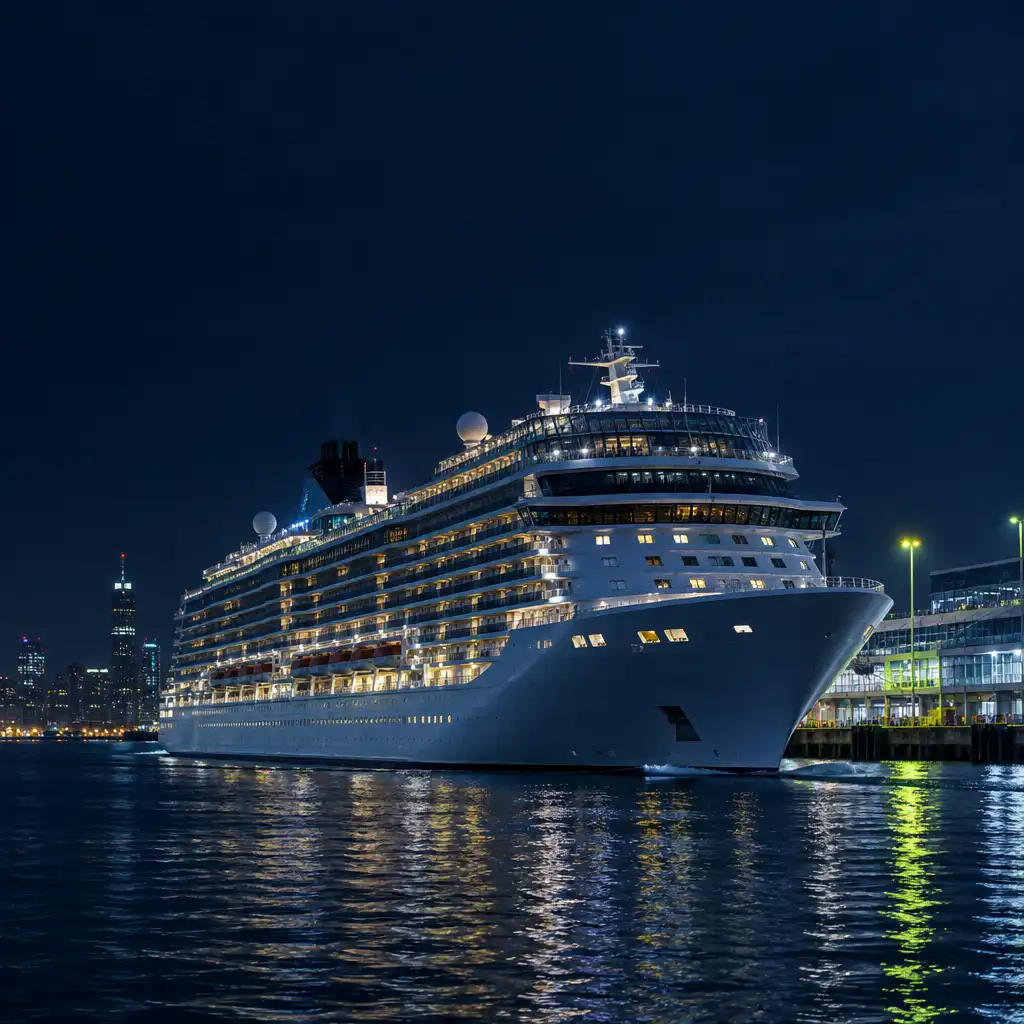
A contemporary cruise ship beside a harbour terminal at night
CabinsOnboard diningEntertainmentShip facilitiesDestinations
Ship scenes provide atmosphere and scale; individual vessel spaces and arrangements should always be checked for your sailing.

01 / Choose your brief

Choose your ship-space brief

Start with the part of the ship that will affect your day most. Each guide path focuses on practical context, not a generic promise that every ship works the same way.

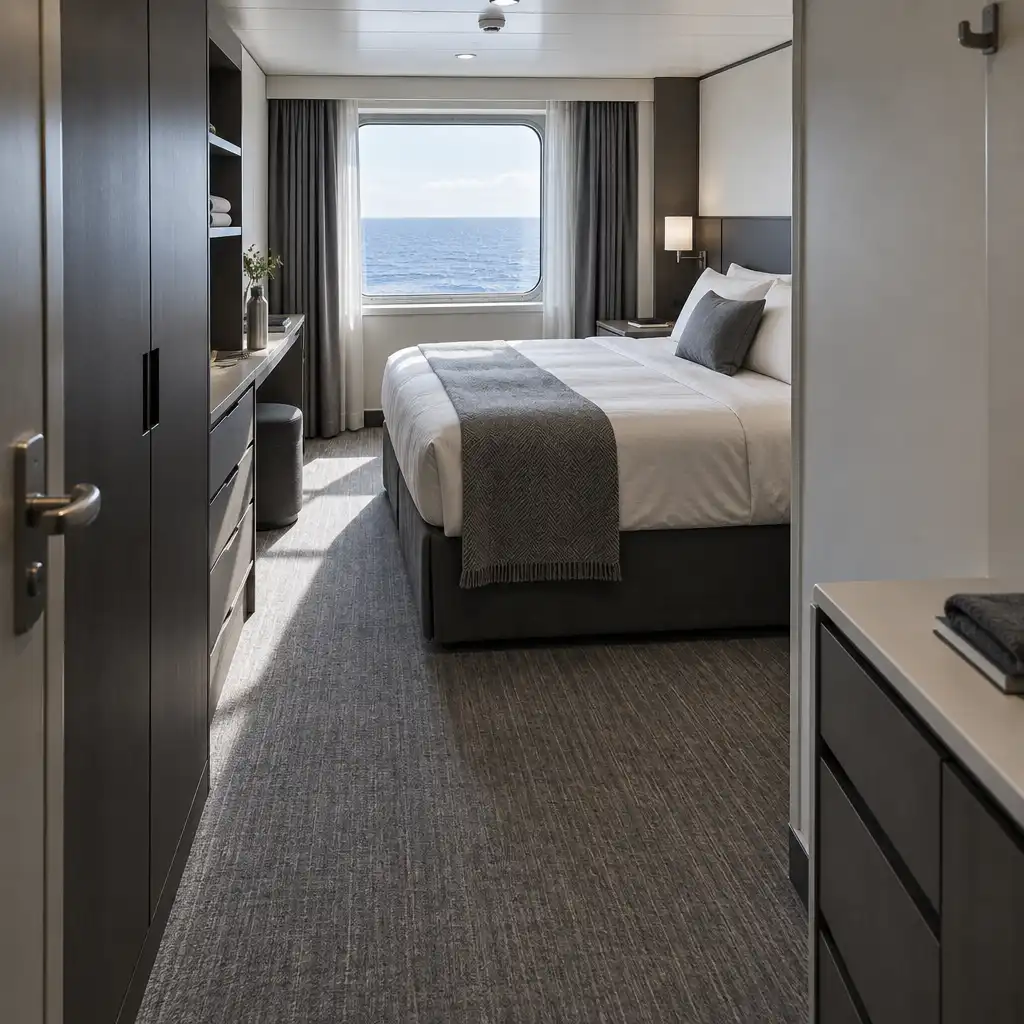
Cruise cabin showing the route from doorway to bed, storage and window
01

Cabin reviews

Cabins built for real days

Look beyond the category name to the usable room: bed configuration, storage, bathroom movement, sleep conditions and the trade-offs of location. Reviews help you frame the questions for an exact cabin category, because details can differ by ship and booking type.

Read cabin reviews
02

Onboard dining

Read the room before boarding

Explore restaurant spaces through venue style, circulation and the expectations a dining room creates. The useful question is not only whether a venue exists, but how it may sit within the ship’s rhythm. Exact venue lists, reservations and inclusions need sailing-specific confirmation.

Explore dining guides
03

Entertainment

Find the evening rhythm

Use entertainment coverage to understand performance spaces, bars and the character of an evening on board. A venue can be lively, tucked away or part of a through-route; programmes and how a space is used can change by sailing, so fixed show schedules are confirmation items.

See entertainment coverage
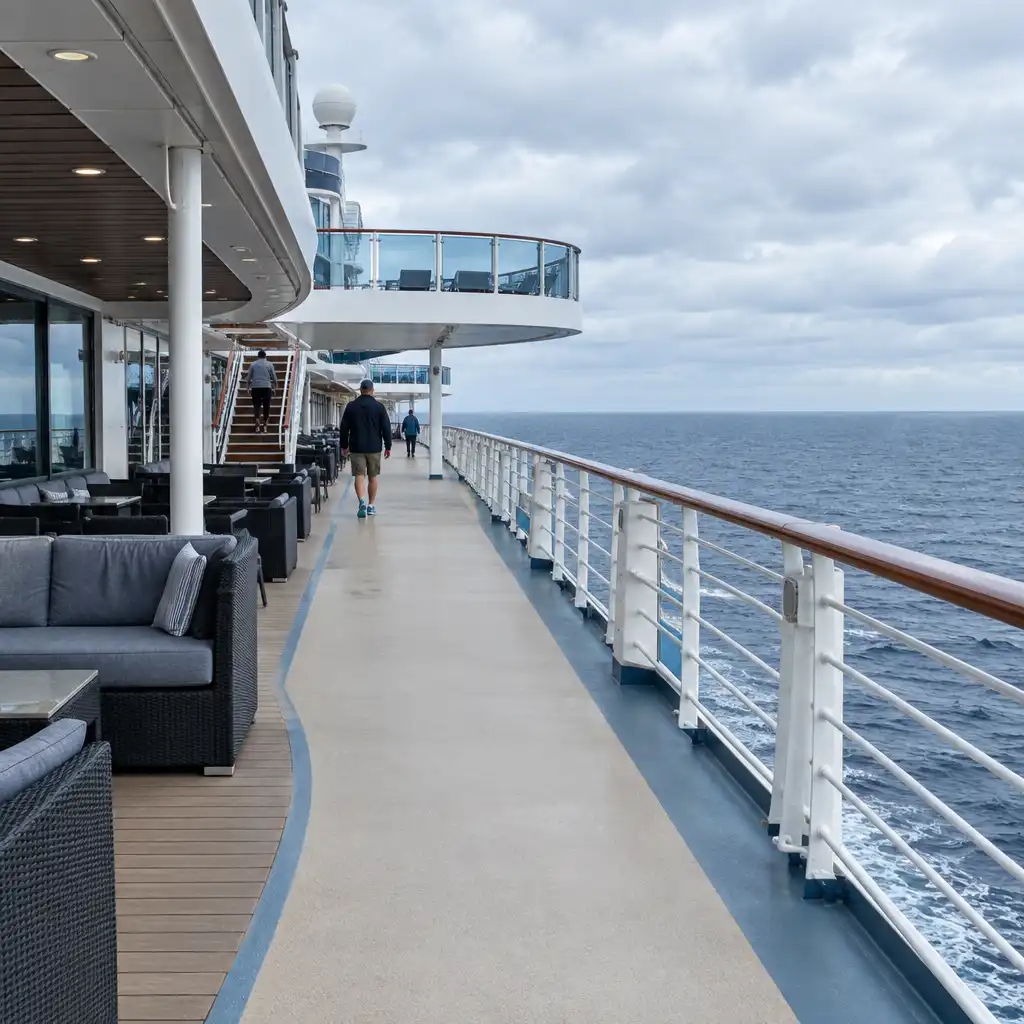
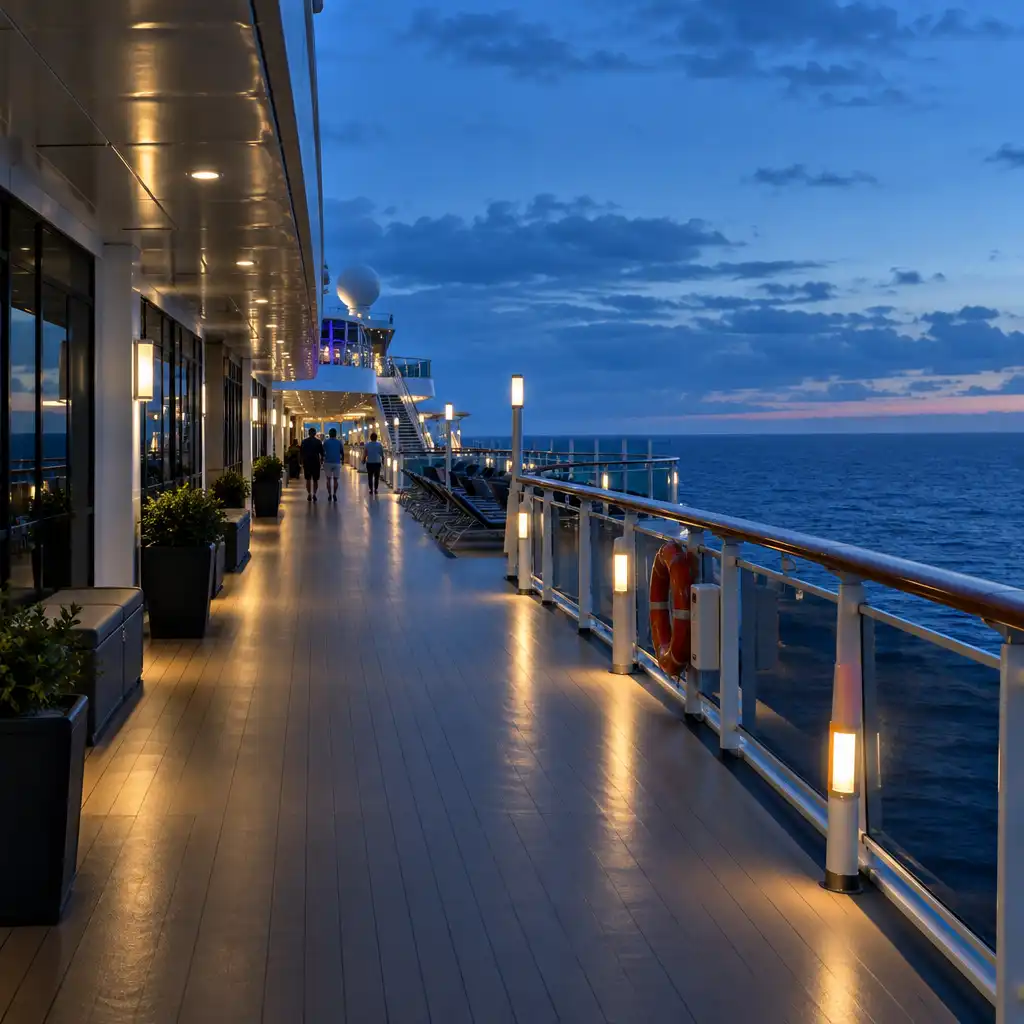
Outdoor cruise deck corridor with a clear walking route and railings
04

Ship facilities

Follow the deck flow

Facilities research is about the shared spaces between headline attractions: deck routes, lift approaches, seating edges and the way people move through the ship. Our practical lens keeps access, pace and circulation visible without listing unverified amenities for an unnamed vessel.

Browse facilities guides
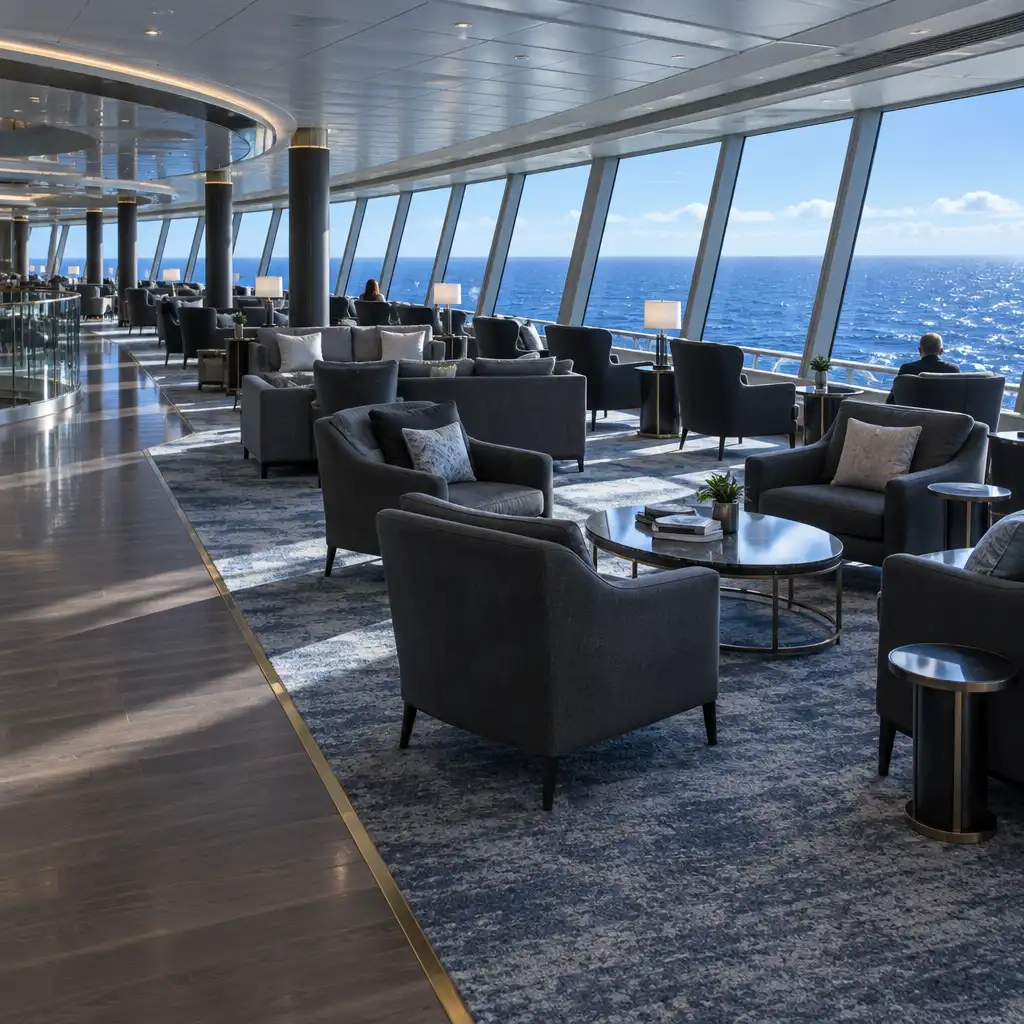
Observation lounge with panoramic windows overlooking the sea
05

Destinations & routes

Choose the voyage, not just the ship

Region, season and route shape decide how much time you spend in port and at sea. Compare the rhythm of an itinerary—port calls, scenic days and sea days—before treating a destination list as the whole holiday. Port order and timings can vary by sailing.

Explore destinations & routes

02 / Editorial lens

Read spaces, not just labels

A ship plan, room category or venue name is only a starting point. Our guides are designed to make the practical comparison behind those labels easier to see.

01

Layout and flow

Useful research begins with where a space sits, what connects to it and how people move through it. We look for room circulation, venue entrances, sightlines and the difference between quieter edges and busier pass-through zones, keeping examples general rather than attaching them to an unverified ship.

02

Use at different times

Atmosphere, crowds and programming may change across a day or evening, and may vary by sailing. Guides can help you identify the sort of question worth asking, but time-sensitive details such as current operation should be confirmed through official voyage information.

03

Practical trade-offs

No cabin, lounge, deck or destination is universally best. Proximity, noise, privacy, access and the experience you want can pull in different directions. Making those trade-offs visible is how broad research becomes a better-informed cruise plan.

Use the planning guidance

03 / Destination briefing

Choose a route that fits the voyage

Destinations and routes are practical planning decisions. The same region can feel different depending on season, port order, time ashore and the number of sea days. Use this briefing to compare the shape of a cruise—not just its list of places—and confirm current itinerary details for your sailing.

Cruise destinations & routes
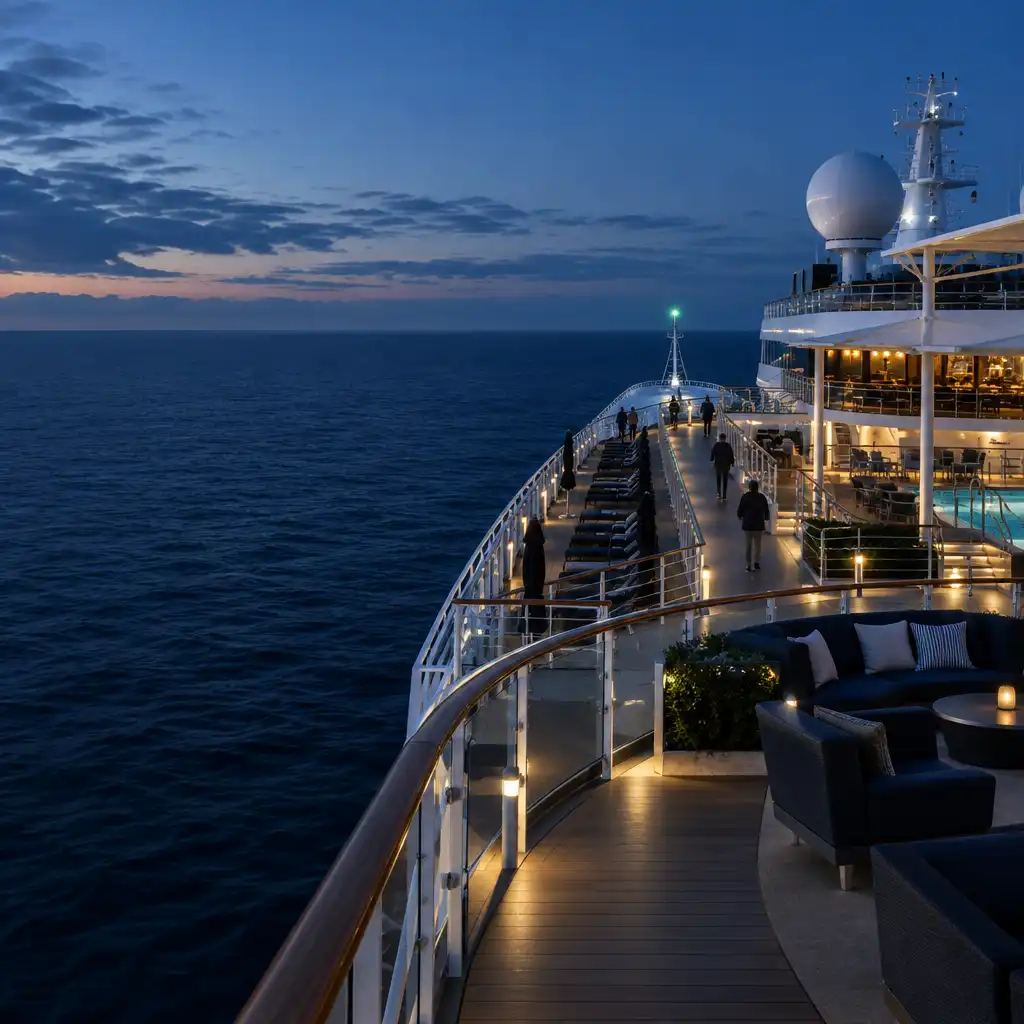
Cruise ship upper deck with seating, railings and open sea at blue hour
A route is a sequence of port days, scenic passages and sea days; the order shapes the experience.

Region and season

Mediterranean summer, a Caribbean storm-season window, Alaska's short wildlife season and Nordic daylight all change what a voyage can offer. Compare the month, likely weather and daylight alongside the destination names. Season is a planning factor, not a promise of conditions.

Outdoor cruise deck passage with railings and open ocean beyond

Ports and shore time

Port order, arrival and departure times, tender arrangements and distance from the berth all shape a shore day. Two itineraries can list the same ports and still feel different. Read the timings as part of the holiday, then verify current details with the operator.

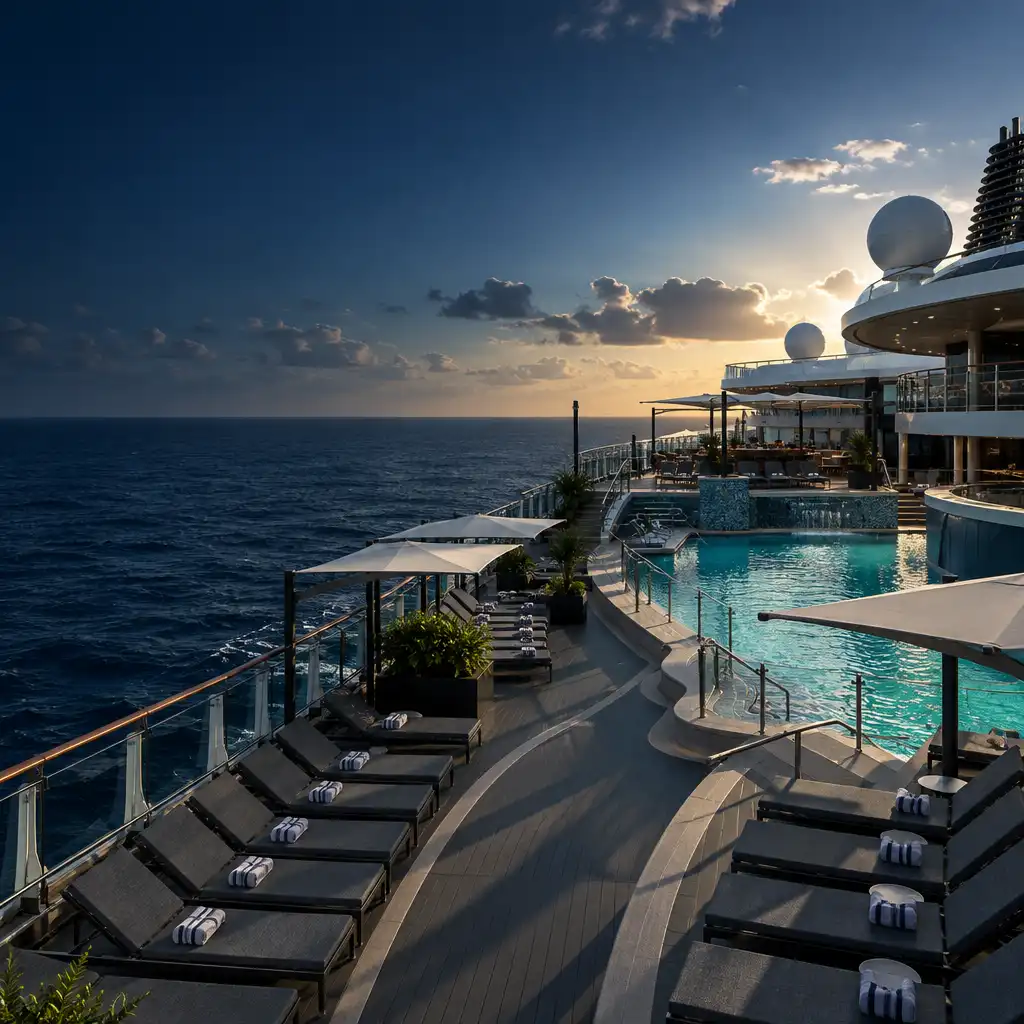
Cruise ship upper deck with loungers, shade canopies and ocean horizon

Sea days and route style

Port-intensive routes and sea-day-led voyages ask different things of the ship and of you. Round-trip, one-way, scenic and repositioning itineraries each have a distinct rhythm. Match that rhythm to the cabins, dining and facilities you actually want to use.

04 / Verification list

What to check before you compare

Use reviews to form a shortlist, then verify the details that matter for your own ship and sailing.

01

Cabin fit

Compare the details that shape daily comfort: bed configuration, storage, bathroom layout and location. Use the exact cabin category and deck plan where available, then ask whether the routes around the room suit your needs. No arrangement should be treated as standard across every ship.

02

Venue use

A venue existing is different from knowing how and when it will be used on your sailing. Apply that distinction to dining, entertainment, facilities and destinations. Confirm sailing-specific operation directly with the operator rather than relying on a general description or an assumed schedule.

03

Access and pace

Think about walking distance, lifts, queue pressure, quieter periods and the pace you prefer. These observations can support a range of mobility and travel preferences, but they do not confirm accessibility features for an unnamed ship. Put your personal priorities at the centre of the comparison.

04

Questions worth taking onboard

Turn research into a short question list for crew, guest services or official voyage information. Ask about current arrangements, access routes and venue operation without assuming the answer. That simple list turns a broad review into useful preparation for an informed choice.

Plan for an Australian cruise

05 / Clearer route

A clearer route into planning

The point is not to find a universally perfect ship. It is to identify the cabin comfort, onboard rhythm, shared spaces and destination research that match your travel priorities. For Australian travellers, that makes the next planning step more grounded: compare what matters, note what must be confirmed, then choose with clearer questions in hand.

Start planning for Australia