Cruise Port Stories
Space research / AU readers

Onboard Dining & Entertainment

Cruise Port Stories helps Australian readers compare the rooms that shape a sea day and evening: restaurants, casual food spaces, theatres, lounges, facilities, cabins and destinations. Use this hub to assess atmosphere and movement, then prepare better questions for a specific sailing.

Research first

Read venue descriptions as starting points for comparison, not a promise that every ship has the same spaces.

Varies by sailing

Opening times, line-ups, reservations, inclusions and access can change by vessel, itinerary and booking window.

Check your cruise documents

Confirm current details with the information provided for your selected cruise before building a plan around a venue.

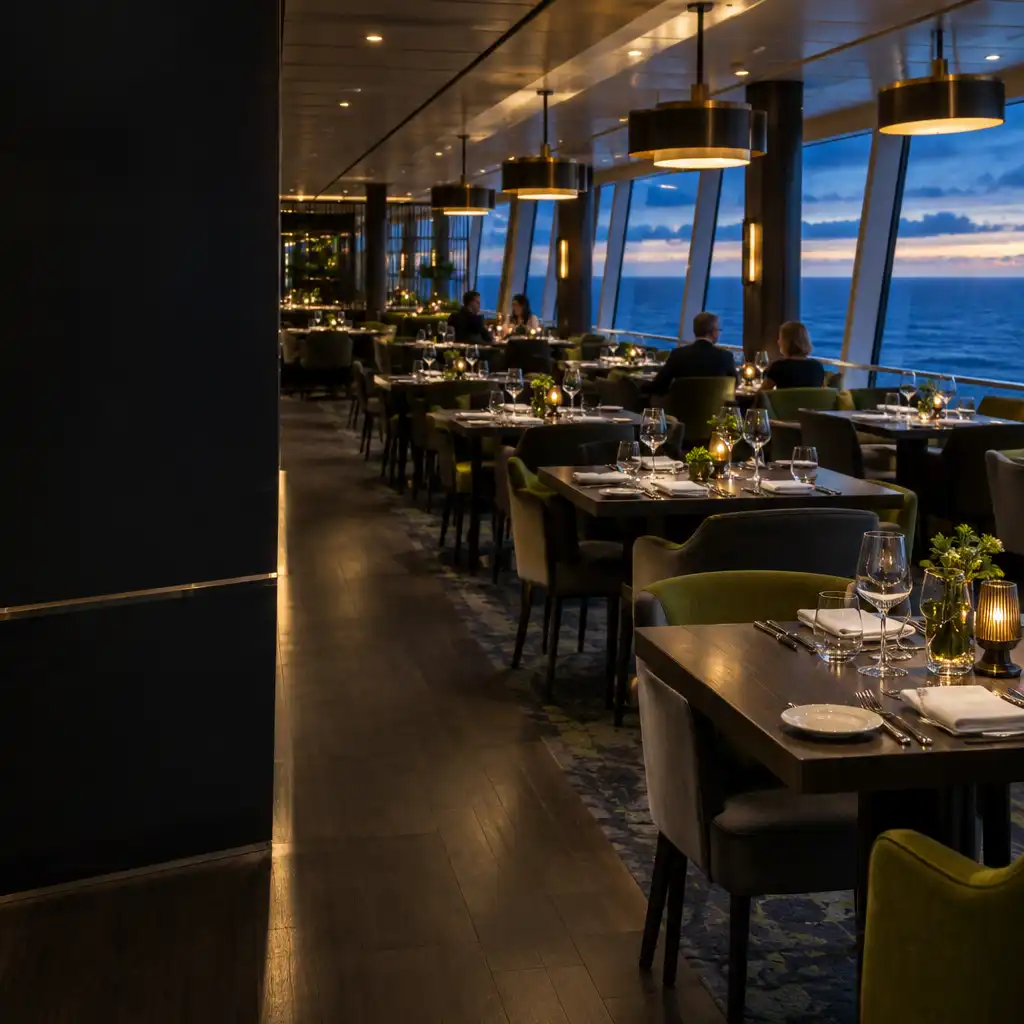
Contemporary cruise-ship dining room with tables, pendant lights and ocean-facing windows
A dining room is also a circulation, seating and atmosphere question.
Choose a research track

Start with the space that matters most

01

Dining spaces

Dining is more than a menu. Compare formality, reservation needs, crowd flow, seating style, noise and the relationship between included and additional-cost options. Where documentation identifies main dining rooms, specialty venues, casual counters or room-service choices, use it to build a practical picture, then check current cruise documents for your sailing.

Browse dining questions
02

Entertainment venues

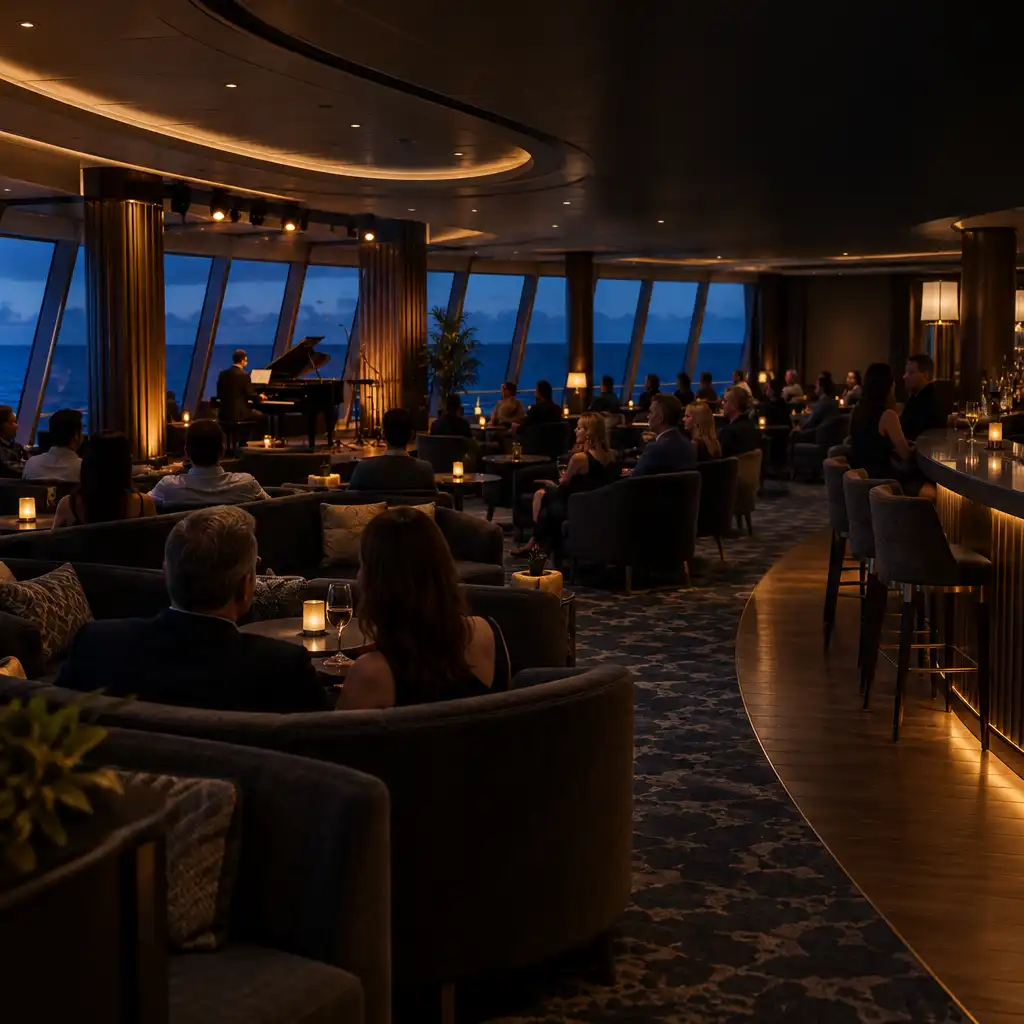
Cruise-ship lounge showing seating clusters, a stage area and a circulation aisle

Research entertainment through venue type, sightlines, timing, seating, sound and accessibility. Theatres, lounges, decks and activity areas may be relevant categories, but their presence and booking arrangements vary by ship and sailing.

Compare venue settings
03

Destination rhythm

Consider how the itinerary shapes the day: a late port call, a scenic passage or a sea day can change when you want to eat and unwind. Layouts and operating patterns differ. Our destination guides compare regions, port days, sea days and route styles in practical, factual terms.

View destination guides
04

Plan the whole day

Food, activity, rest and evening choices work better when you consider where spaces sit and how they connect, especially on larger ships. Pair venue research with cabin location and facilities coverage to form an observational routine rather than assuming a familiar layout.

Map your research
Before you book a table or a seat

Verify the operational details

A venue appearing in a guide or deck plan is useful context, but it is not confirmation of how it will work on your cruise. Check the details that can alter a day or evening plan.

01

Included versus additional cost

A venue’s presence does not, by itself, confirm whether food, cover charges, packages or selected experiences are included. Look for official fare and dining information associated with your sailing, and read the wording closely. Published inclusions can distinguish a setting from its menu, service format or particular event, so avoid treating a broad category as a universal rule.

02

Reservations and capacity

Booking windows, walk-in availability, seating times and queue patterns may affect a dinner or show plan, and those conditions can change by ship or sailing. Review pre-departure communications and onboard information when available. A guide can help you identify capacity questions to ask; it should not be read as a promise of a particular booking method, ticket or access route.

03

Timing, location, and access

Map where a venue sits, how it appears to connect with other spaces, whether the setting may be loud or exposed, and what accessibility or dress information is published. These checks can influence cabin research and evening pacing. Use conditional language when comparing descriptions, because physical layouts and current operating details are not identical across vessels.

Dining guide desk

Read dining rooms as spaces

Our dining coverage is built around useful research lenses: how a room feels, how people move through it and which published details deserve a second check.

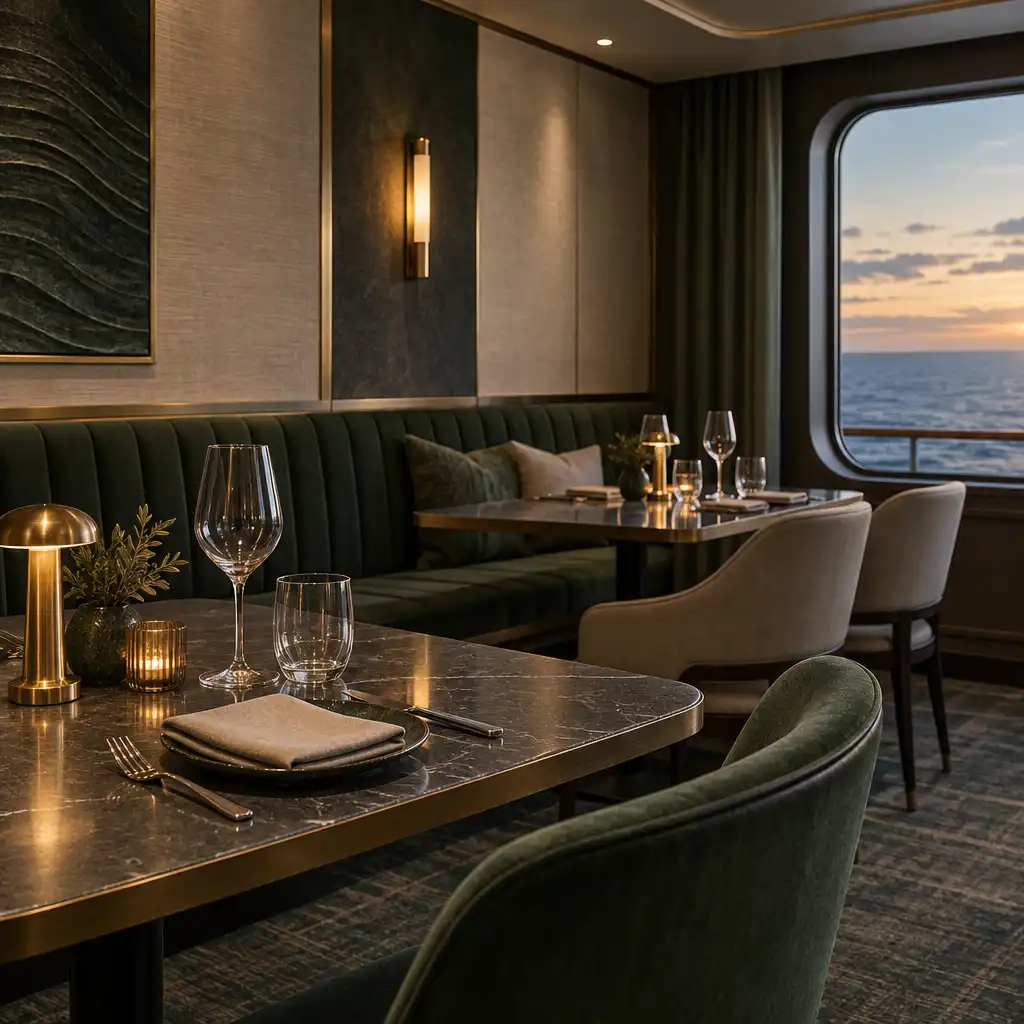
Intimate cruise-ship restaurant area with banquette seating and ocean-side window
Lead guide

Read a dining room as a space

A useful restaurant review helps you assess atmosphere, table spacing, noise, service rhythm, views and the practical feel of a room—not simply list dishes. Compare setting and flow: whether seating looks closely arranged or separated, whether circulation may interrupt tables, and how a room’s mood might suit a quick meal, a long conversation or a quieter occasion. Those observations make descriptions easier to compare across ships while keeping vessel-specific claims out of the picture.

Read dining reviews
Main meal rhythm

Questions for main dining research

Check what published information says about meal periods, seating approaches, documented flexibility and the apparent formality or busyness of the setting. Exact arrangements vary, so confirm current details for your sailing.

Use the comparison fields
Everyday flow

Casual food and movement

Where buffets, cafés, counters or grab-and-go concepts are documented, consider queues, seating turnover, outdoor exposure and proximity to pools or activity zones. Treat every category as conditional, not guaranteed.

Compare practical cues
Quieter choices

Special occasions and pace

Compare occasion dining through booking expectations, setting and pacing, and note whether published information distinguishes a specialty experience from regular dining. Do not assume a category always carries the same policy.

Check before planning
Entertainment guide desk

Compare venues, not generic show lists

Entertainment research is more useful when it explains the room, the seating and the practical conditions around an experience.

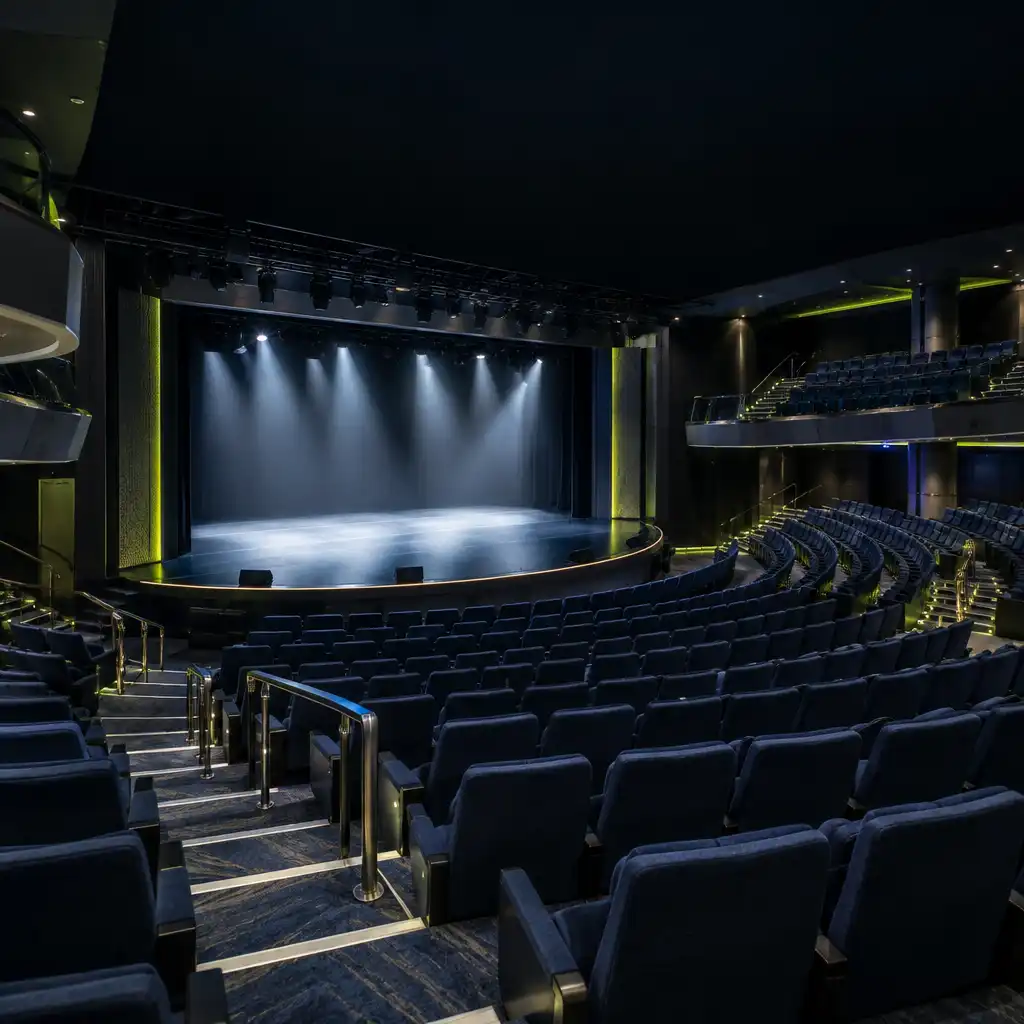
Cruise-ship theatre with tiered seating, aisles and an illuminated empty stage

Theatre and headline performance research

Look beyond a show title to venue scale, sightlines, seating approach, access information and whether scheduling or booking requirements are stated for your sailing. Reviews can observe the auditorium and circulation; travellers still need to confirm current programming and access arrangements.

Lounges, live music, and social spaces

Where available, lounge research can help you weigh conversation level, traffic flow, music proximity and seating type. It can also suggest whether a space feels like a destination or a pass-through area. Keep late-night timing unspecified until you have current sailing information.

Read the room: seats, aisles, sound and social pace.

Deck and activity atmosphere

Decks and activity areas can be entertainment-adjacent spaces whose comfort depends on weather, shade, crowding, noise and distance from food or cabins. Do not assume a pool, screen or activity is present; cross-check broader Ship Facilities Guides for context.

How spaces connect across a day at sea

Plan the transitions as well

01

Start with your base point

Cabin location can shape the convenience of breakfast, pool time, quiet breaks, dinner and returning after an evening venue, particularly on a large or unfamiliar layout. Use Cabin Reviews to consider the accommodation context without assuming deck locations or walking durations.

02

Treat venue transitions as part of the plan

Notice whether dining, theatre, lounges, decks and other social areas appear clustered or separated in published plans and reviews. Actual arrangements vary by vessel, but this spatial reading helps you decide which questions matter when planning a relaxed day.

03

Choose your evening pace

Some readers prefer a direct dinner-to-show rhythm; others may seek quieter spaces or an early night before a long shore day. Let the itinerary guide the pace. Our Cruise Destinations & Routes guides cover port days, sea days and route styles with practical planning context, not promotional urgency.

Comparison method

Compare the questions, not just venue names

Use the same fields across editorial coverage and official information. A clear gap is more useful than an invented answer.

Field
What to look for
What to verify
Dining comparison fields
Setting and flow
Room mood, seating style, noise cues, table spacing and location relative to other spaces.
Published layout details and whether the current sailing information adds limits or changes.
Meal rhythm
Published meal periods, seating language, queue notes and how flexibility is described.
Current timing, reservation wording and inclusion details; otherwise record “varies by sailing”.
Access and inclusion
Where stated, access language, package references and practical proximity to other spaces.
Whether food, cover charges or selected experiences are included; use “not stated” when absent.
Entertainment comparison fields
Venue type and capacity cues
Auditorium, lounge, deck or activity setting; seating, aisles, sound and sightline observations.
Whether the venue or experience is available for the sailing and any published access details.
Booking and timing
Booking language, rolling access cues and nearby social spaces where published.
Current schedule, booking approach and capacity conditions. Do not fill a blank with an assumption.
Editorial standard

Research with current details in view

Cruise Port Stories helps readers evaluate onboard spaces and compare the questions worth asking. Individual experiences can vary, so check current ship, sailing, operator and booking information before making plans around dining or entertainment. Our guides are designed to support informed cruise planning without inventing vessel-specific schedules, facilities or access conditions.

Continue to Australian cruise planning