
Cruise Port Stories
Route research terminal / 01

Cruise Destinations
& Routes

Cruise Port Stories helps Australian readers compare the places a cruise visits and the shape of the voyage between them. Use this guide to weigh regions, seasons, port days and sea days, then turn a brochure map into a practical shortlist. Port order, arrival times, shore time and even the ports themselves can change, so current operator information should settle the details for your sailing.

Continue with Australian cruise planning
Space before specifics / 02

Read the route before the ports

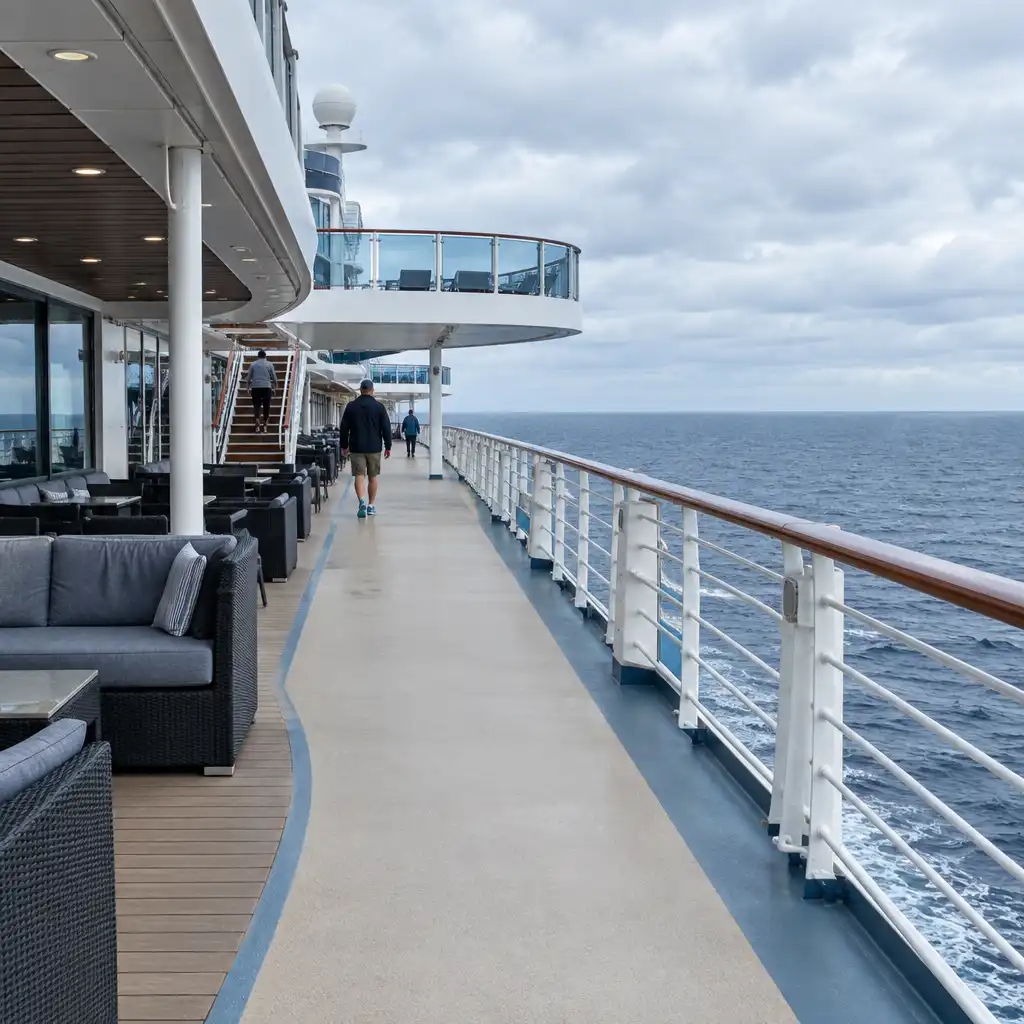
Outdoor cruise ship passage with railings, deck levels and open ocean beyond
A route is experienced as a sequence of days: port calls, scenic passages, sea days and the time between them.
01

A route is a sequence, not a list

Two itineraries can name the same ports and still feel completely different. Compare the order of calls, the number of sea days, any overnight stays and how long the ship is scheduled to remain in port. A late arrival or an early departure changes what a shore day can realistically include, so read timings as part of the experience rather than fine print.

Look for port order · sea days · overnight calls · arrival and departure times
02

Sea days are part of the destination

A port-intensive itinerary asks more of your energy and planning, while a route with more sea days places greater weight on the ship itself. Use ship facilities, dining and entertainment and cabin research to judge whether the onboard rhythm suits the way you want to travel.

03

Season changes the experience

Summer in the Mediterranean can mean heat and busy ports; the Caribbean has a defined storm season; Alaska and the fjords have narrow wildlife and daylight windows. The same region can offer a different voyage in a different month. Check seasonal conditions, daylight and likely weather, then confirm current itinerary details with the operator.

Season is a planning factor, not a guarantee of conditions.
Region research / 03

Popular regions: what to compare

Region names are a starting point. The useful comparison is between the season, port style and rhythm of the voyages you are actually considering.

Mediterranean

What shapes the trip. Port-heavy itineraries, historic cities and a strong summer season. Some calls use tenders, and walking distances from the terminal can vary.

What to check. Heat and crowd levels in peak months, tender ports, time in each city and whether an overnight call is included.

Planning note. A seven-port week is a different holiday from a route with more sea days.

Northern Europe & Fjords

What shapes the trip. Scenic cruising, compact historic ports and changeable weather. Long daylight in summer can make evening scenic passages a highlight.

What to check. Layers and rain protection, scenic-cruising time, port distances and whether a fjord passage is scheduled in daylight.

Planning note. Weather can affect scenic sections and shore plans, so keep some flexibility.

Caribbean

What shapes the trip. Warm-water island calls, beach days and a relaxed holiday rhythm. Sea days are common on longer routes between island groups.

What to check. Storm-season timing, tender ports, beach transfer times and how many calls are full days versus short stops.

Planning note. Island names can sound similar; compare the actual port and what is within reach of it.

Alaska

What shapes the trip. Glacier scenery, wildlife and a defined summer season. Scenic cruising and smaller ports often carry more weight than time in a large city.

What to check. Season dates, wildlife expectations, weather layers, excursion durations and which scenic areas are scheduled in daylight.

Planning note. Treat wildlife as a possibility rather than a promised sighting.

South Pacific & Hawaii

What shapes the trip. Long sea days, remote island calls and a warm climate. The distance between places is part of the voyage rather than dead time.

What to check. The number of consecutive sea days, tender arrangements, limited local services and the total travel time from Australia.

Planning note. A ship that suits long sea days matters as much as the island list.

Australia & New Zealand
Close to home

What shapes the trip. Domestic departures, coastal cities, New Zealand fjords and wildlife-rich passages make this a practical first cruise region for many Australian travellers.

What to check. One-way versus round-trip travel, Tasman Sea sea days, port distances, seasonal weather and any domestic flight connections.

Planning note. Compare the whole travel chain, not just the nights on board.

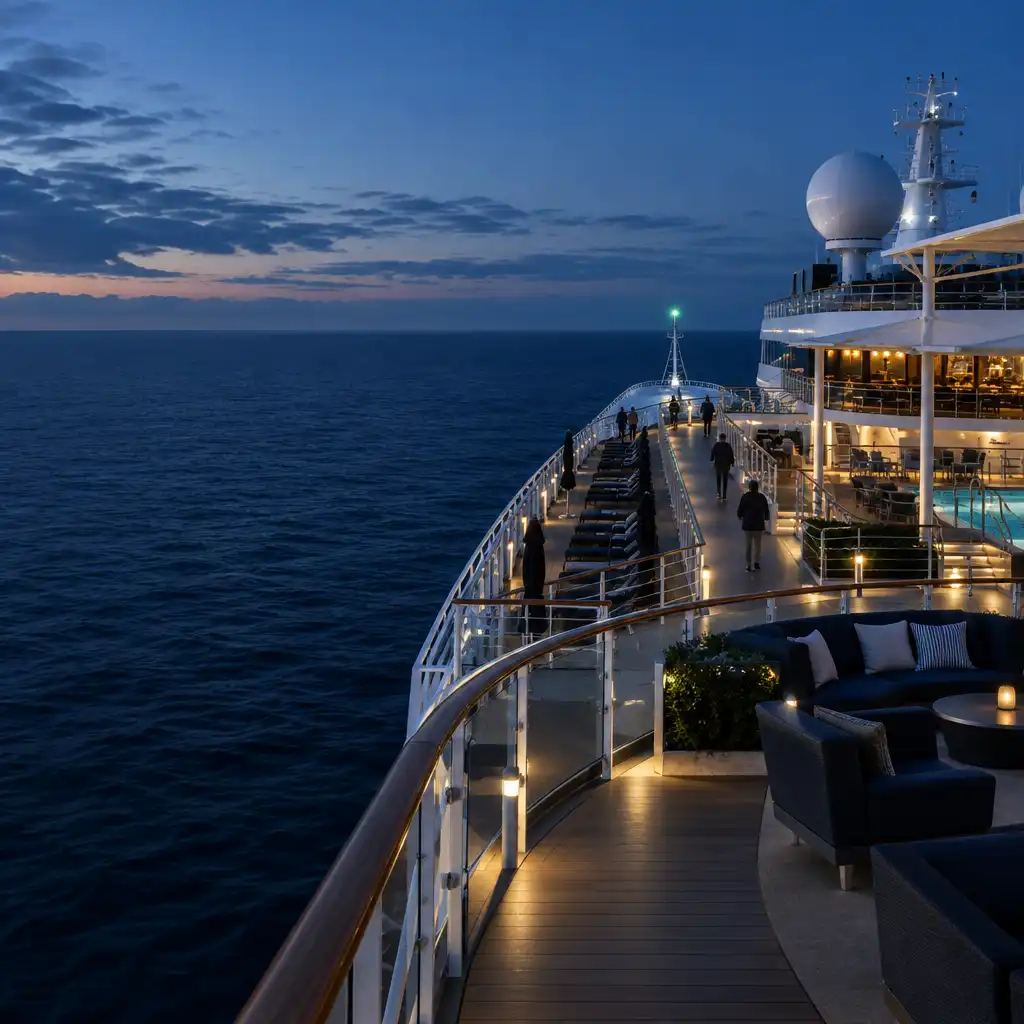
Cruise ship upper deck with seating, railings and open sea at blue hour
Route context for Australian departures.
Route styles / 04

Choose the shape of the voyage

01

Round-trip or one-way

A round-trip itinerary returns you to the same port, which can simplify flights and pre-cruise arrangements. A one-way route may open a more varied region but adds an open-jaw flight or a longer journey home. Compare the whole travel chain, not only the nights on board.

02

Port-intensive or sea-day led

Port-intensive routes suit travellers who want to explore frequently and are comfortable with early starts. Sea-day-led routes give more time to the ship, which may matter for families, rest or simply a slower pace. Neither shape is better; they support different holidays.

  • Count the port calls, not just the nights
  • Note any tender ports
  • Check arrival and departure times
  • Allow for rest between long shore days
  • Confirm current itinerary details
03
Check current details

Classic or expedition style

Expedition and small-ship voyages can offer closer access to wildlife and remote landscapes, but they usually ask for more flexibility around weather, landings and daily plans. Compare the level of comfort, activity and structure you want before treating a destination label as enough.

04

Repositioning and transoceanic routes

These voyages move a ship between seasons and often include long stretches at sea. They can suit travellers who enjoy the ship itself and a slower rhythm, while offering less port time than a classic itinerary. Study the sea-day count and cabin choice carefully.

Whole-trip comparison / 05

Compare the route with the rest of the ship

Put the itinerary into the wider decision about how you want to rest, eat, move and spend time on board.

01

Cabins: a base between ports

On a port-heavy route, the cabin may be mainly a place to sleep and reset. On a sea-day-led voyage, layout, light and comfort carry more weight. Use cabin reviews to consider the fit, without assuming a particular cabin location on any ship.

Explore cabin reviews
02

Dining and entertainment: the daily rhythm

A long shore day can change when and how you want to eat, while sea days create more opportunity for a slow dinner or an evening show. Compare venue styles and plan around the rhythm of the itinerary rather than a fixed programme.

Explore dining and entertainment
03

Facilities: sea days and return to ship

Decks, lounges and quiet spaces matter more when the route includes several days at sea. Consider circulation, shade and places to recharge between port calls, then confirm current facilities for the selected vessel.

Explore ship facilities guides
04

Australian planning: connect the whole trip

Bring flights, transfers, travel documents, insurance and pre-cruise stays into the same plan as the itinerary. Current details should be verified for your chosen sailing and departure city.

Plan your cruise research
Evidence discipline / 06

A map is not a promise

A route map shows a likely sequence, not a guarantee. Weather, operational needs, port availability and local conditions can lead to changes before or during a sailing. An appealing image of a harbour or coastline is useful for orientation, but it does not prove the exact port, berth, arrival time or shore time on your departure.

Verify currently
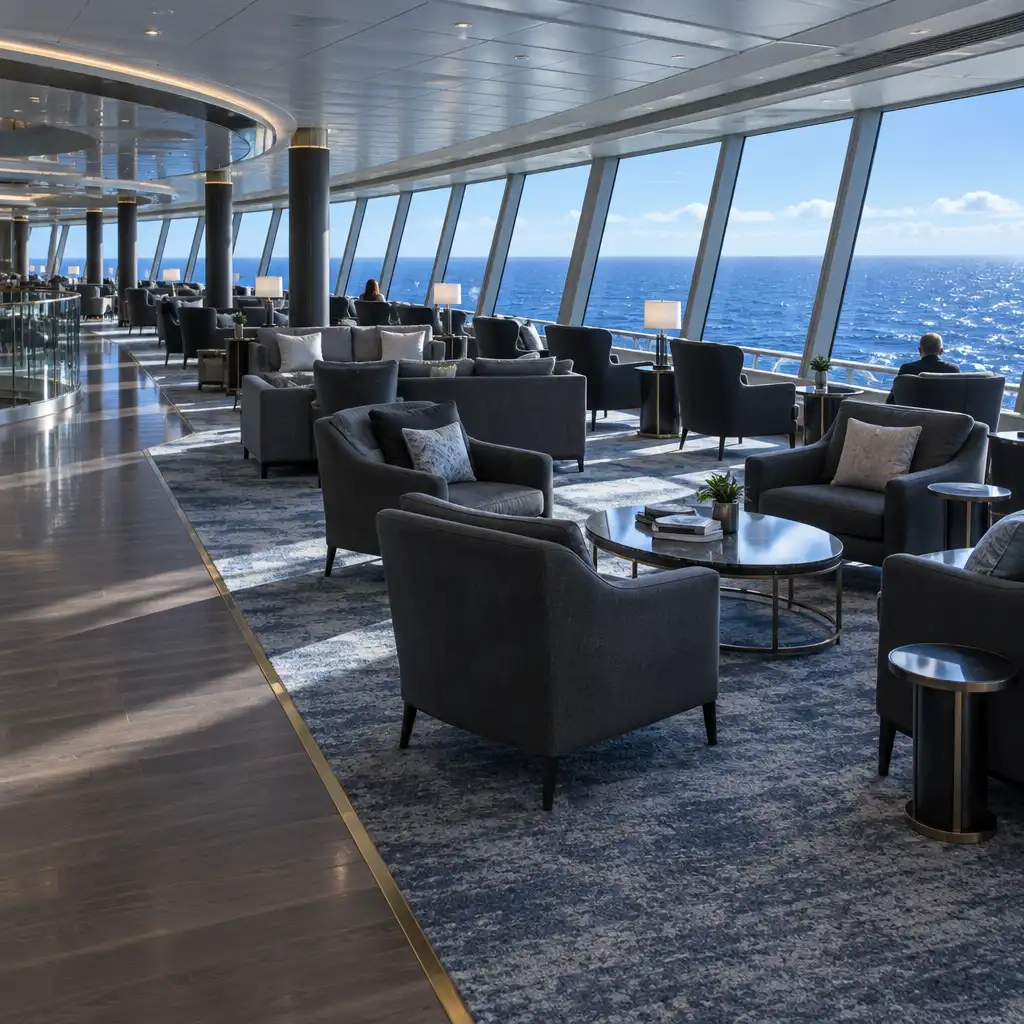
Observation lounge with panoramic ocean-facing windows and seating overlooking the sea
Scenic context for route research, not evidence of a specific port call or timetable.
Personal considerations / 07

Comfort, access and pace ashore

Choose the port style that suits you

Walking distance, tendering, heat, steps and excursion length are valid planning criteria. Before choosing a port-heavy itinerary, consider whether the likely shore days match your energy and access needs. If they do not, a route with more sea days or gentler port calls may suit you better.

  • How far is the town from the berth?
  • Does the call use a tender?
  • Is the shore day long or short?

Make room for alternatives

A useful cruise plan includes options. Review the ship's dining, entertainment, cabins and facilities so a changed port or a rest day does not leave the day without a plan. Flexibility is part of travelling well, and current onboard arrangements should be confirmed for your sailing.

Reusable question set / 08

Destination research checklist

Use these prompts to compare more than one itinerary. They are questions to investigate, not facts to fill in from assumption.

Route and season checks

  • Which region and season are you considering?Check weather, daylight and local peak periods.
  • How many sea days does the route include?Make sure the onboard rhythm suits you.
  • Are any calls tender ports?This can affect access and shore time.
  • Is there an overnight call?An overnight stay changes what an evening ashore can include.

Port-day checks

  • What are the arrival and departure times?Compare usable shore time, not just the port name.
  • How far is the town or beach from the berth?Check transfer time and whether a shuttle is likely.
  • Do you have mobility or access requirements?Confirm them with the operator before booking.
  • What is the alternative if a port changes?Keep a flexible onboard plan for that day.
Research FAQ / 09

Frequently asked research questions

Next research step / 10

Continue your cruise research

Build the whole-trip picture. A useful cruise comparison considers destinations and route shape alongside cabins, dining, entertainment, facilities and Australian planning needs. Continue researching rather than treating one itinerary map as the whole decision.