Cruise Port Stories
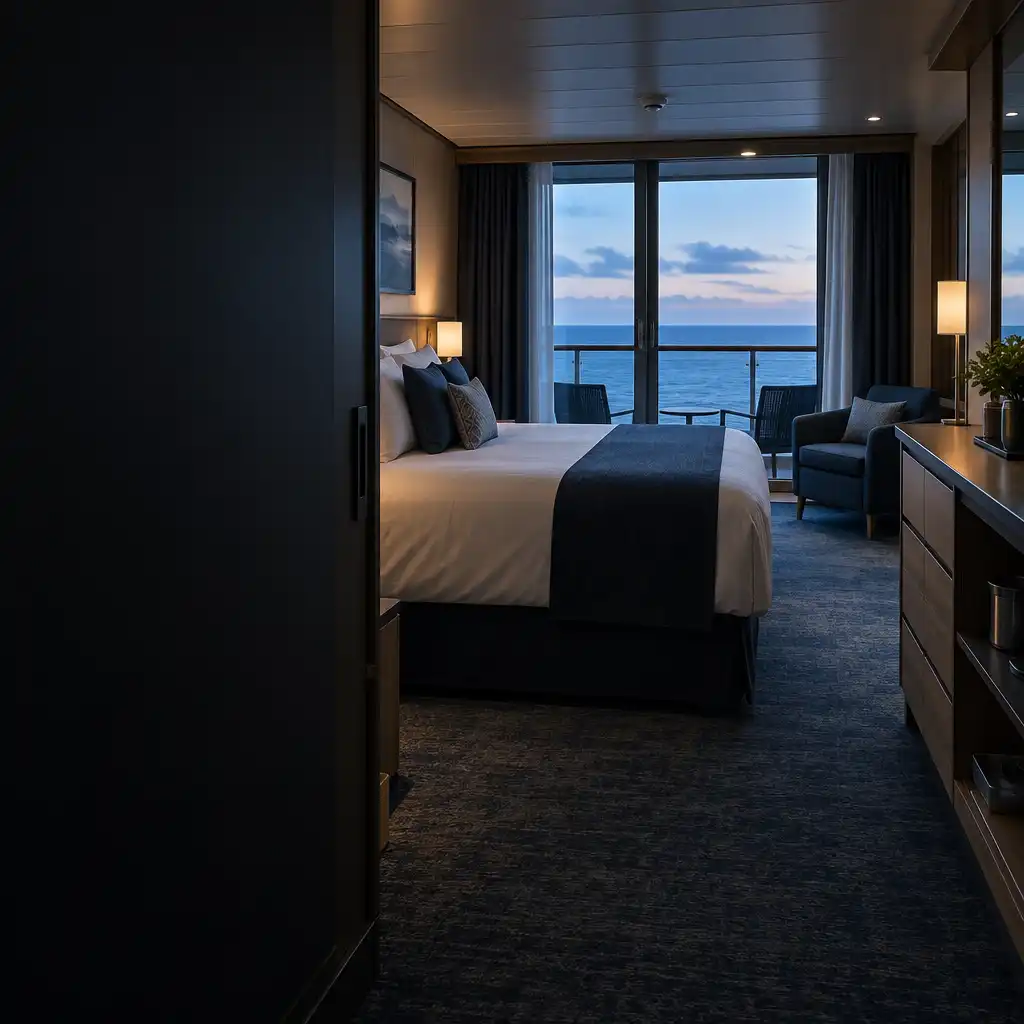
Cruise cabin with a neatly made bed, compact chair and open glass doors facing the ocean
A cabin is a working base between ship spaces, not only a place to sleep.
Australian cruise research

Cabin
Reviews

Use this practical starting point to compare cruise-ship cabins beyond category names and promotional images. Cruise Port Stories helps Australian readers weigh space, sleep, storage, outlook and location so a cabin supports the routine they actually expect to have on board.

Start here

The cabin questions that matter

Before narrowing a category, use these questions as a quick assessment framework. They turn broad cabin labels into practical checks about your time, companions and comfort on the ship.

01

How will the cabin be used?

A room used mainly for sleep asks different things of you than one used for rest, remote work, family routines or quiet recovery time. The more time you expect to spend inside, the more circulation space, seating and daylight matter. Prioritise your actual rhythm over category prestige.
02 Check the selected sailing

Who is sharing the space?

Bed configuration, sofa-bed setup, luggage volume, privacy and bathroom timing become more consequential for couples, friends and families. Check the selected sailing’s booking information for occupancy wording and configuration details; cabins within one category are not necessarily arranged the same way.

03

Where is it located?

Forward, aft, low, high, central and near-venue locations can change walking patterns, views and exposure to activity. Position is a trade-off rather than a universal good or bad. Where a cruise line supplies them, inspect deck plans to understand the chosen cabin’s context.

Use supplied deck plans as a research prompt, not a prediction.

04 Verify important details

What can vary after booking?

Grade names, images, dimensions, views and assigned locations may not communicate every cabin-specific detail. Keep important requirements tied to current sailing documentation and confirm them before treating a shortlist as settled. This is calm preparation, not a reason to assume the worst.

Research routes

Browse by cabin type

Choose the accommodation type that best matches your question, then compare the fine print, placement and daily-use details that sit behind the headline category.

Category route

Inside cabins

Assess darkness, compactness, storage, bed layout and proximity to the rest of the ship. An inside cabin is not automatically inferior; compare your sleep preferences and the time you realistically expect to spend in the room.

Explore this cabin type when category reviews are available
Category route

Ocean-view cabins

A window is one consideration within a broader layout and location decision. Check the stated view type and any view limitations in current information, then weigh that outlook against how the cabin itself will work for you.

Explore this cabin type when category reviews are available
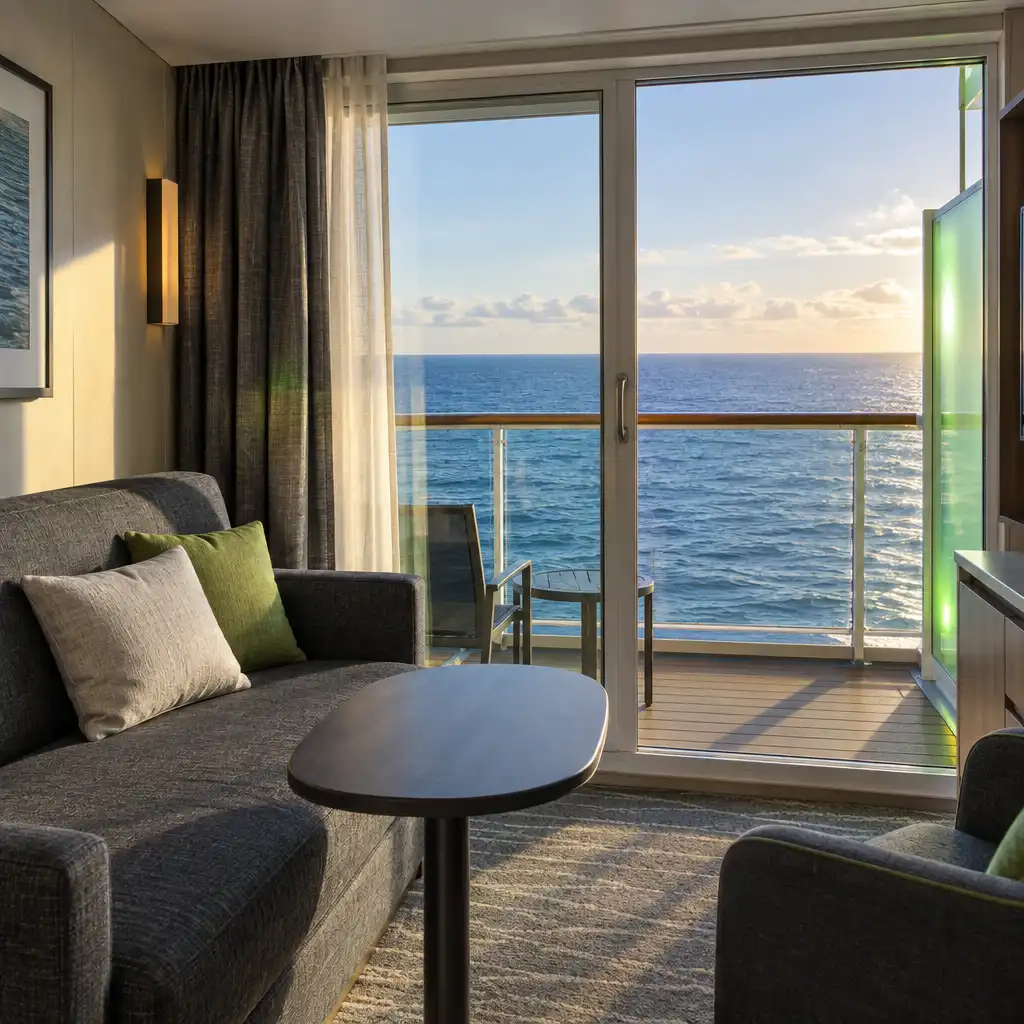
Compact cruise cabin seating beside sliding glass doors and a balcony railing
Look at the threshold, seating and outdoor relationship—not just the balcony label.
Feature route

Balcony cabins

Consider indoor-outdoor flow, seating, privacy, wind, shade and whether a balcony will meaningfully change the trip. Balcony size and outlook can vary by ship, sailing and cabin grade, so category-specific information matters.

Explore this cabin type when category reviews are available
Category route

Suites and larger accommodation

Examine usable living space, bathroom arrangement, sleeping separation and stated inclusions rather than relying on a suite label alone. Confirm current inclusions for the selected sailing; no particular feature should be assumed from the name.

Verify current category information before comparing inclusions.

Priority research

Accessible and connecting options

These needs call for especially careful verification of dimensions, features, availability and booking conditions. For requirements that are essential, check early with the cruise line or travel provider rather than assuming a category has a particular accessibility feature or connection.

Check current option details before shortlisting
Comparable method

The review readout

Each Cabin Reviews article uses the same practical lens so observations remain useful when you compare ships, categories and cabin listings.

Space and layout

Practical use

Reviews describe how a room works in practice: paths around the bed, seating placement, door swing, luggage handling and shared movement. The aim is to separate usable space from broad category naming, using photos and plan references only where they are available and relevant.

Sleep and quiet

Location-sensitive

Bed configuration, light control, corridor activity and nearby public spaces can shape rest, but experience may vary by exact location. Reviews avoid blanket noise claims and point readers back to the chosen cabin’s deck placement where information is supplied.

Storage and bathroom flow

Observed detail

We look at wardrobes, drawers, hooks, bench space, shower layout and the ease of two people managing daily routines. Practical observations come first, while recognising that fixtures and storage arrangements may not be identical across every grade.

Outlook and connection

Varies by cabin

Window, balcony or interior conditions are considered alongside orientation, privacy, circulation and the trade-off between retreat and easy access. Outlook can differ within a category, so reviews use context instead of exaggerated scenic claims.

Planning fit

Conditional guidance

Reviews translate observations into traveller scenarios: short breaks, longer itineraries, families, first-time cruisers and travellers needing quieter downtime. A fit note is always conditional rather than a booking guarantee. The useful question is whether the cabin supports your particular trip.

Close reading

Cabin details worth reading twice

The words around the cabin name

Read the category description, not only the headline label. The surrounding detail may clarify bed setups, view wording, occupancy or other limits. Compare current information for the chosen sailing; cruise lines do not necessarily use standardised wording.

The deck-plan relationship

Where a deck plan is provided, compare the cabin with surrounding decks to understand walk distances and proximity to circulation or public areas. Treat this as a useful research habit, not a warning or a claim about what is near any named cabin.

The fit between cabin and trip

Match the room to itinerary length, sea days, companions, personal mobility and the need for a quieter reset space. How much time do you realistically expect to spend using this room as more than a place to sleep?

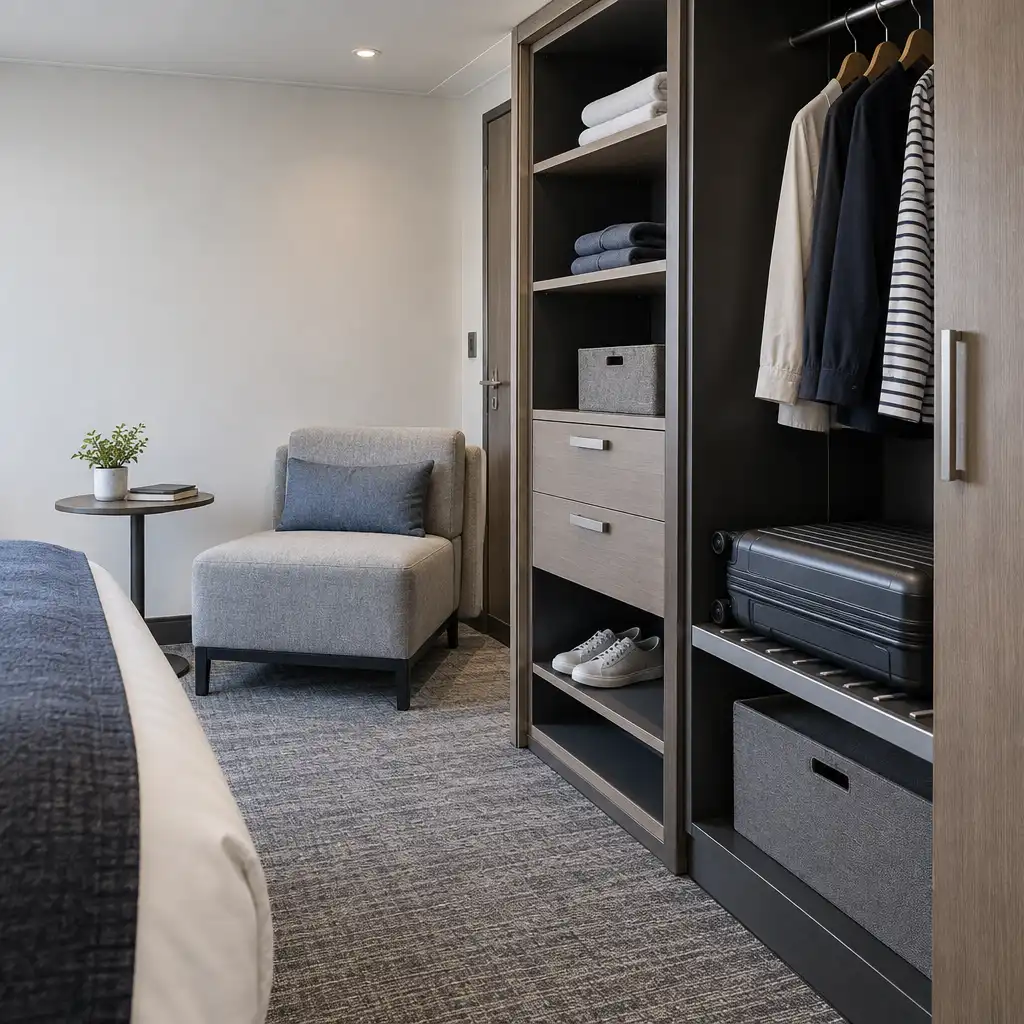
Open wardrobe shelves, suitcase space and compact seating inside a cruise cabin
Storage, luggage space and seating are visible daily-use features worth checking closely.
Position planning

Choose a location, not just a category

Cabin position is best handled as a set of balanced trade-offs. Use supplied information to understand your preferred relationship with access, outlook, movement and nearby ship spaces.

Forward and aft

Cabins at either end can create a different relationship to lift cores, venues, views and ship movement. Personal preference is central, so use cabin-specific research where it is available rather than assuming either position has a universal advantage.

Higher and lower decks

Deck height is a planning variable connected to access, outlook and your preferred relationship to public spaces. One level is not always quieter or better; the practical task is checking where the cabin sits within the information provided.

03

Midship and circulation routes

Central placement can alter walking patterns and ease of getting around, while nearby lifts, stairs or corridors may also affect the cabin’s day-to-day feel. Keep the wording non-absolute and review the chosen location in context.

04

Above, below and beside

Look beyond your own deck and consider spaces shown immediately above, below and alongside a selected cabin. For light sleepers or travellers seeking a quiet retreat, deck-plan review is an additional check, not a prediction of actual noise.

Decision checkpoint

A cabin review should answer these comparisons

Useful reviews help you frame a choice, rather than presenting one outcome as right for every traveller.

01

Compact room or usable retreat?

Compare nominal category with daily usability: where people sit, change, unpack and pass each other. The practical answer comes from interior layout and storage observations, not from a category name alone.

02

Close to what you want, or close to what you hear?

Proximity can balance convenience against the kind of activity you are comfortable having nearby. Sound and movement are conditional, so check the surrounding decks where a plan is provided.

Check the surrounding decks.

03

A view that changes the trip, or one you will rarely use?

Compare visual access and outdoor space with itinerary rhythm and your onboard habits. Outlook and use can vary, and a view type does not automatically define value.

Return to category research with your own routine in mind.

Next research layer

Build the wider onboard picture

Once a cabin is narrowing into focus, research the shared spaces that shape each day. That wider picture helps put location, downtime and movement around the ship into perspective.

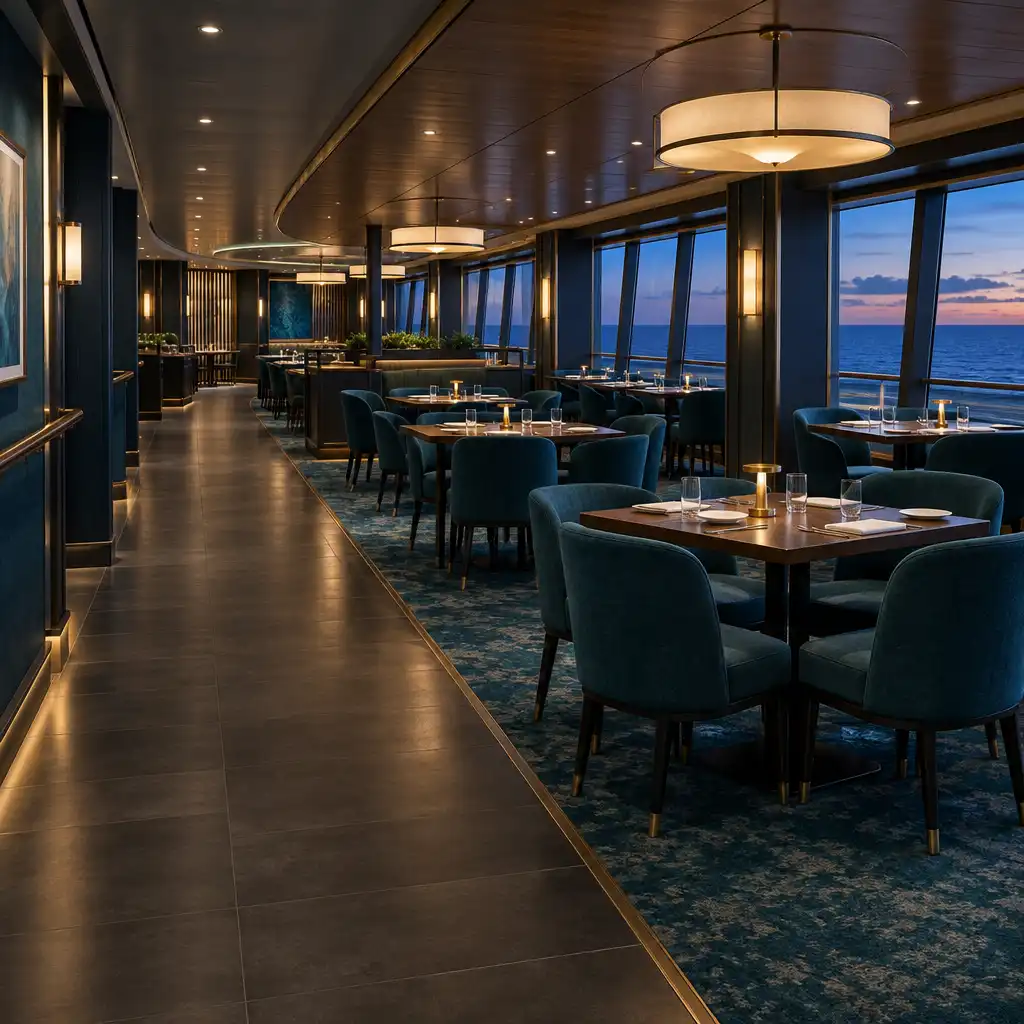
Cruise ship dining room with clear aisles and neatly arranged tables
Shared spaces affect daily movement around the ship.

Dining and entertainment

Research the places you may move between each day, so cabin location and downtime can be considered alongside onboard routines. Our coverage looks at onboard restaurants and entertainment without assuming particular venues operate on every vessel.

Explore dining and entertainment

Ship facilities

Use facility guides to research ship spaces and circulation in a practical, comparison-led way. Confirm current offerings for a chosen vessel and sailing, as no facility should be assumed from a general ship description.

Explore ship facilities guides
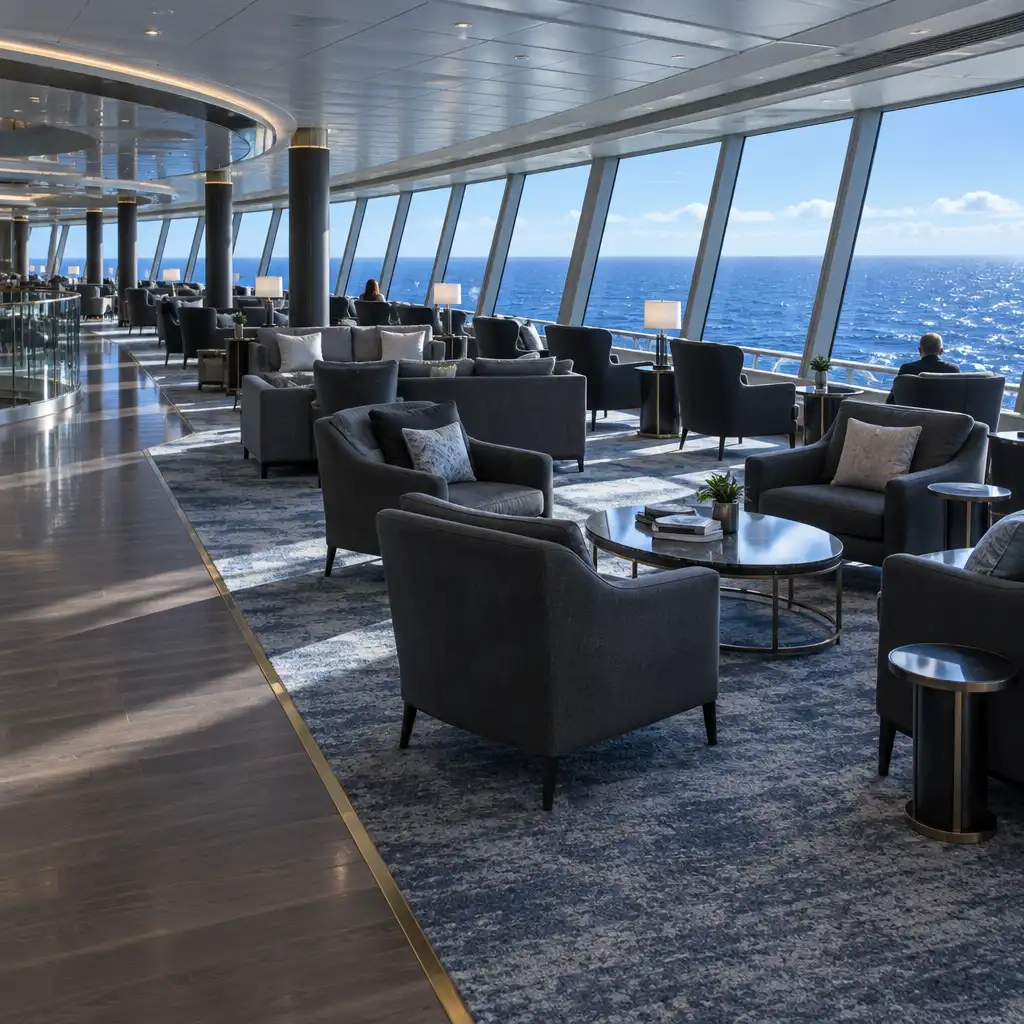
Observation lounge with panoramic ocean-facing windows and seating
Destination research considers where the ship goes and how long you spend ashore.

Destinations & routes

Our destination coverage compares regions, seasons, port days and sea days so cabin location and downtime can be considered alongside the itinerary. Confirm ports, timings and access details for the selected sailing.

Explore destinations & routes
Final check

Before you shortlist a cabin

Confirm the selected sailing details

Use current booking information for decision-critical details. Category-level material may not answer every cabin-specific question, especially when configuration, view, placement and availability vary by ship, sailing and cabin grade.

  • Exact cabin category and number, where known
  • Bed and occupancy configuration
  • Current wording for the view or outlook
  • Location against available deck plans
  • Any essential accessibility or connection requirements

Verification note: Do not rely on assumed facilities, schedules or availability when an important requirement needs confirmation.

Continue to cruise planning for Australians

Take your cabin research into the broader questions that help organise a practical cruise plan.

Editorial scope note

Cruise Port Stories provides practical editorial guidance for researching ship spaces. Use current selected-sailing information for final decisions about cabin-specific features, deck placement, availability, accessibility requirements and onboard details, as these can change or vary. Our role is to help you ask useful questions without inventing vessel-specific schedules or facilities.