
Cruise Port Stories
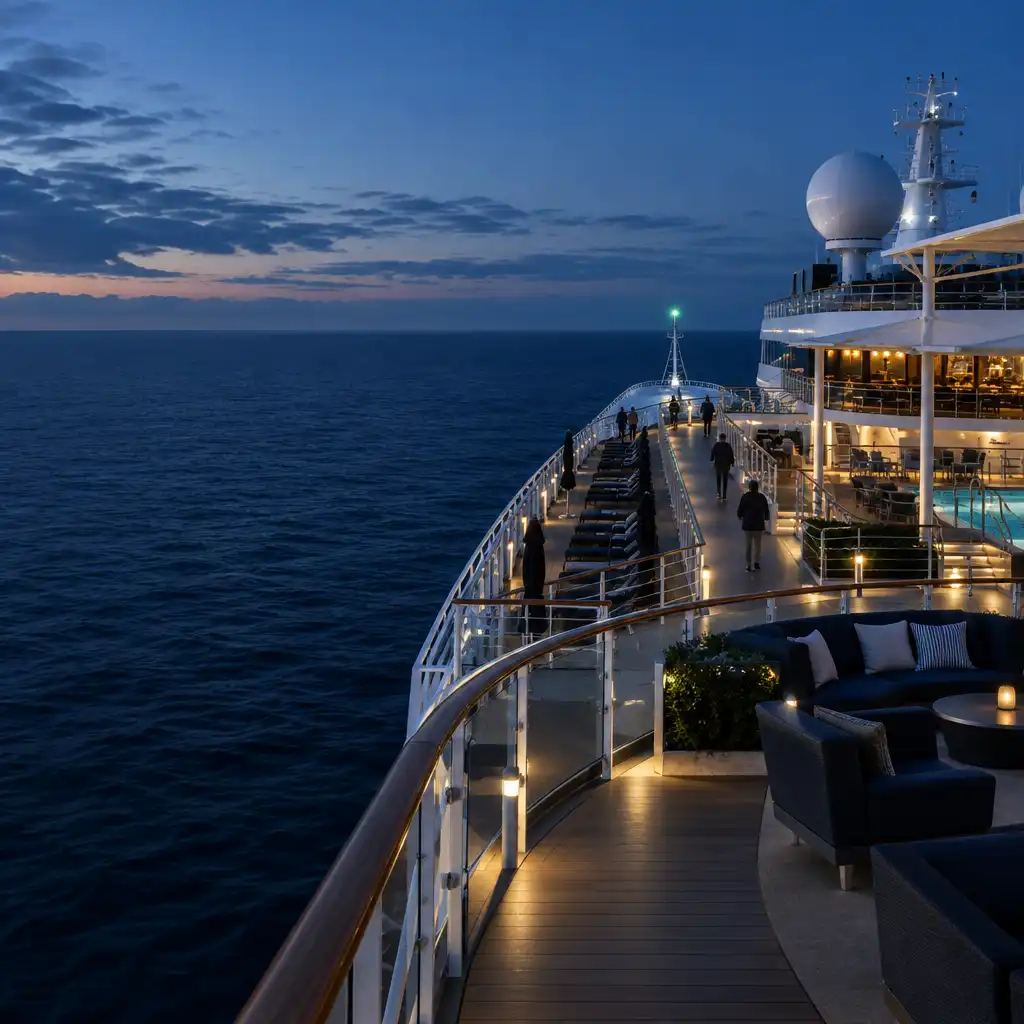
Cruise ship upper deck with seating, railings and open sea at blue hour
Australian Cruise Planning

Plan the ship, not just the route.

Useful cruise choices often come down to how cabins, venues, facilities and destinations fit your priorities. Cruise Port Stories is an English-language research companion for Australians comparing ship spaces and itineraries before booking, with practical guides to cabins, onboard restaurants, entertainment, facilities and cruise destinations.

Compare the spacesUse practical reviews to focus your research on the places you expect to use.
Check current detailsImportant access, venue, itinerary and operational details should be confirmed with the relevant cruise operator before booking.
Start with the planning method
Research order

Start with decisions that change the experience

Before comparing broad cruise labels, decide which ship spaces will affect your ordinary day. A clear order keeps research grounded in how you want to rest, move, eat, spend an evening and use shared areas.

Research order
01

Choose the cabin experience first

Start with how you expect to use the room: rest, privacy, daylight, position on the ship and tolerance for nearby activity. Compare category wording, layout clues and practical proximity rather than relying on broad marketing labels. A cabin name does not guarantee one universal arrangement, so note what is actually described and what still needs checking.
Read cabin reviews
02

Map the daily venues

Dining, entertainment and facilities shape the pace of a sea day and evening. Identify the kinds of restaurants, social spaces and shared areas you expect to use repeatedly, then research each subject separately. Editorial observations can help with venue character and circulation, while offerings, access and programming should not be treated as fixed for every ship or sailing.

Explore dining and entertainment
03

Match the itinerary to your travel style

Region, season and route shape change how much time you spend in port and at sea. Compare port order, tender calls, sea days and usable shore time rather than choosing from a destination list alone. If itinerary details matter to your decision, confirm the current route with the cruise operator.

Build a ship-space research board

Collect only the details likely to change your experience. A simple record makes it easier to compare evidence, preserve unanswered questions and avoid filling gaps with assumptions.

Cabin evidence

Record what affects time in the room

Note room category wording, layout descriptions, stated position on the ship and any accessibility information in the source material. Record what is stated, not what a category name seems to imply, and capture questions that need direct confirmation.

Verify if unclear
Daily rhythm

Separate venue character from programming

Record the dining and entertainment spaces that fit your routine, distinguishing editorial observations from sailing-specific programming. Schedules and offerings can vary, so use the material to form planning questions rather than assume guaranteed access.

Browse venue guides
Movement

Consider facilities and circulation

Think about how you expect to move through the ship: shared spaces, deck areas, queues, quieter corners and practical access needs. This is a research lens, not a promise of a specific facility. Compare the circulation clues that matter to you.

See facilities guides
Destination fit

Separate the route from the brochure

Destination research should separate the places named from the practical shape of the voyage: how many sea days, how long in port and whether any calls use tenders. A current itinerary is more useful than a map alone, while operating details remain questions for the relevant sailing.

Check the route
Editorial field notes

Read the ship through its spaces

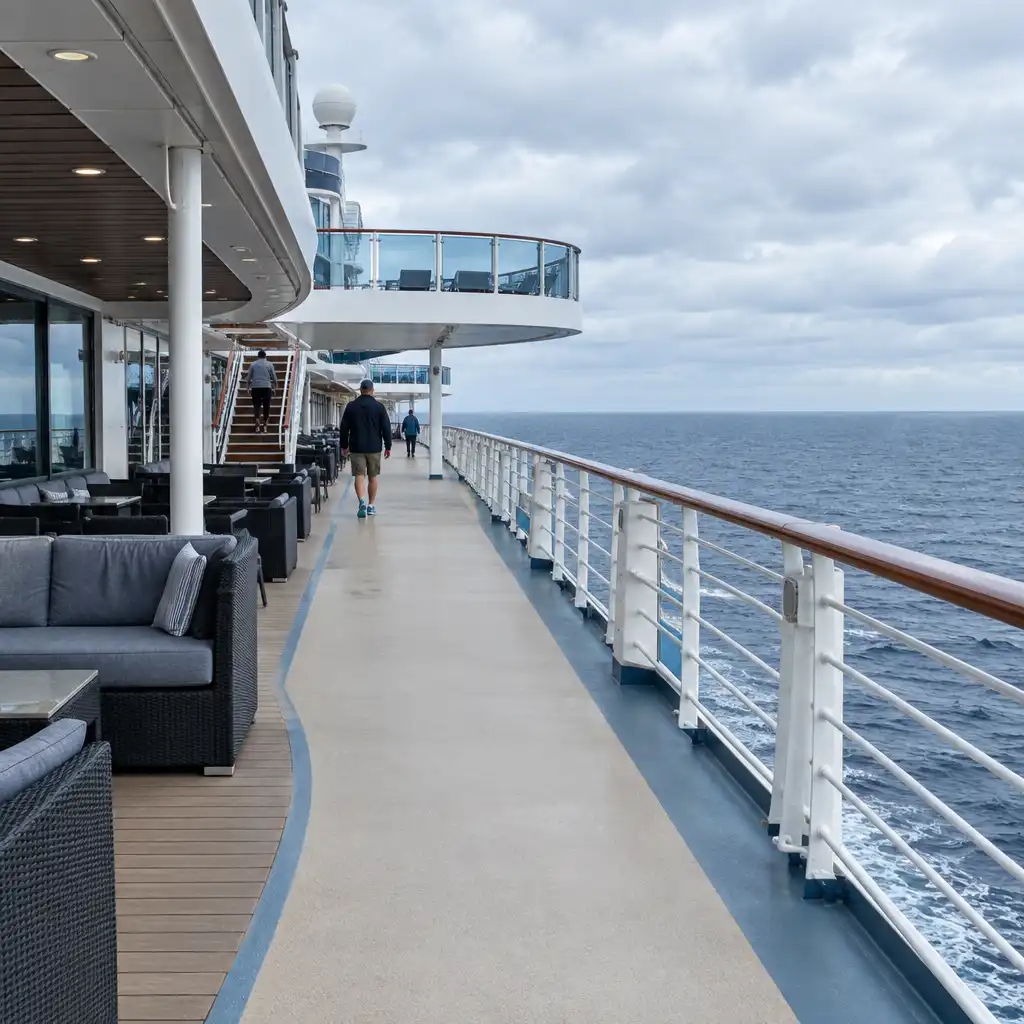
Outdoor cruise ship passage with railings, deck levels and ocean beyond
Illustrative editorial context: a single image can show circulation and openness, but it is not a complete floor plan or proof of a feature on every ship.
A

Look for circulation, not only spectacle

Photographs and descriptions can reveal whether a venue feels open, enclosed, central, tucked away or busy at likely transition points. Use captions and surrounding context to understand what you are seeing; one attractive image should not be treated as a complete map of the space.

B

Separate atmosphere from access

A venue can look appealing while practical access, availability or timing still needs confirmation. Apply that distinction to dining, entertainment, deck facilities and destinations. Editorial review content supports research, but it does not replace current operator information for a specific cruise.

C

Use the review as a comparison record

Compare repeated observations across guides: noise, scale, seating character, visual openness and likely use case. This builds a record around your own priorities without assigning a universal rating. Continue with facilities research.

Destination planning

Route expectations before booking

Destinations and itineraries can be one part of onboard research. Approach them as practical planning questions, not as guaranteed lists of places or timings.

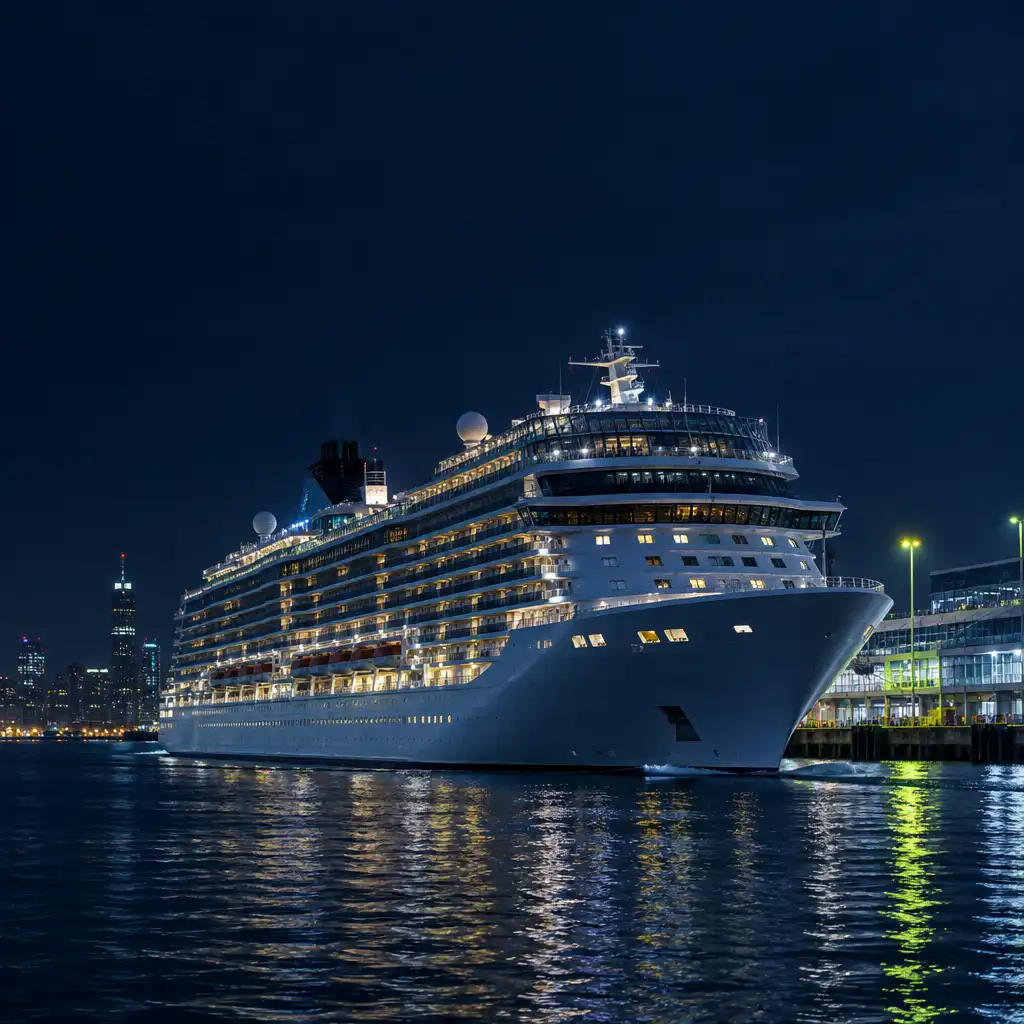
Cruise ship beside a harbour terminal at night before departure
Route context focused on the sequence of ports and sea days rather than a promotional destination list.

Research the route before the ports

A destination list does not show how the voyage will feel. Compare the order of calls, the number of sea days, time in port and whether any calls use tenders. These details can matter as much as the region itself when you weigh a cabin, dining rhythm or facilities against the itinerary.

Itineraries can change

Read a destination list as a guide, not a promise

Maps and brochures help with orientation, but weather, safety, port availability and operational needs can alter a route. Check the current itinerary for the selected sailing if a port, shore time or scenic passage would affect your decision.

Read destination guides

Use a pre-booking check sequence

Work through these steps at your own pace. The checkboxes are local to this page and simply help you mark the research you have already completed.

01

Define your non-negotiables

Identify the spaces and route features that matter most to your trip, whether that is cabin quiet, dining style, entertainment atmosphere, general facilities or destination interest. Treat these as personal criteria rather than universal ratings, and keep the list short enough to make comparisons practical.

02

Read across relevant guide areas

Use the sections that match your priorities, keeping notes on observed space characteristics and unanswered questions. The guides are a useful starting point, not an exhaustive record of every ship or sailing.

03

Mark what is stated and what is unclear

Separate editorial observations, operator-stated information and details not yet confirmed. Record uncertainty rather than inferring a feature. Facilities and schedules can vary, so a clear question is more useful than an assumption.

ObservedStatedCheck
04

Confirm time-sensitive details directly

Check current operational details with the relevant cruise operator before booking when they affect your decision. Keep questions broad and practical: access needs, current venue operation, dining arrangements and timing are all details that may matter.

Confirm before booking
05

Choose the ship-space fit, not the loudest claim

Select the option that best matches your own priorities after comparing evidence and unresolved questions. Cruise Port Stories is designed to make those comparisons more practical, without making a booking recommendation for a named product.

Choose your next research route

Follow the guide area that best matches the part of the ship you care about most.

01

Cabin Reviews

Investigate cabin spaces when room comfort, location and practical layout are central to your decision. Use the reviews to compare the clues that shape time spent in your room.

Explore cabin reviews
02

Dining and entertainment

Investigate restaurants and evening spaces when daily rhythm and social atmosphere matter most. Programming and availability should be checked for the relevant sailing.

Explore dining and entertainment
03

Ship Facilities

Investigate broader shared spaces and practical facilities when movement through the ship and daytime use matter most. Keep the comparison focused on your own routine.

Explore facilities guides
04Route fit

Destinations & Routes

Investigate regions, seasons, port days and sea days with a practical lens and without assuming that an advertised itinerary will remain unchanged.

Explore destination guides
Planning note

Evidence over assumptions

Editorial research is a starting point

Cruise Port Stories helps readers compare ship spaces through practical reviews and guides, but it does not replace current information supplied for a specific cruise. Use editorial observations to sharpen your priorities and questions, while leaving vessel-specific facilities, arrangements and schedules to current confirmation.

Confirm what affects your trip

Verify the current details that matter to you before booking, especially where a feature, venue arrangement, access detail or timing would change your decision. Then return to the guide area that best supports your next comparison.

Return to planning start